๐Ÿ“ž +91 92057 75009

โœ‰ swastikeyeandhealthcare@gmail.com

drmabehara

Vision Syndrome
Uncategorized

Easing Digital Eye Strain: Practical Tips for Comfort in the Tech Age

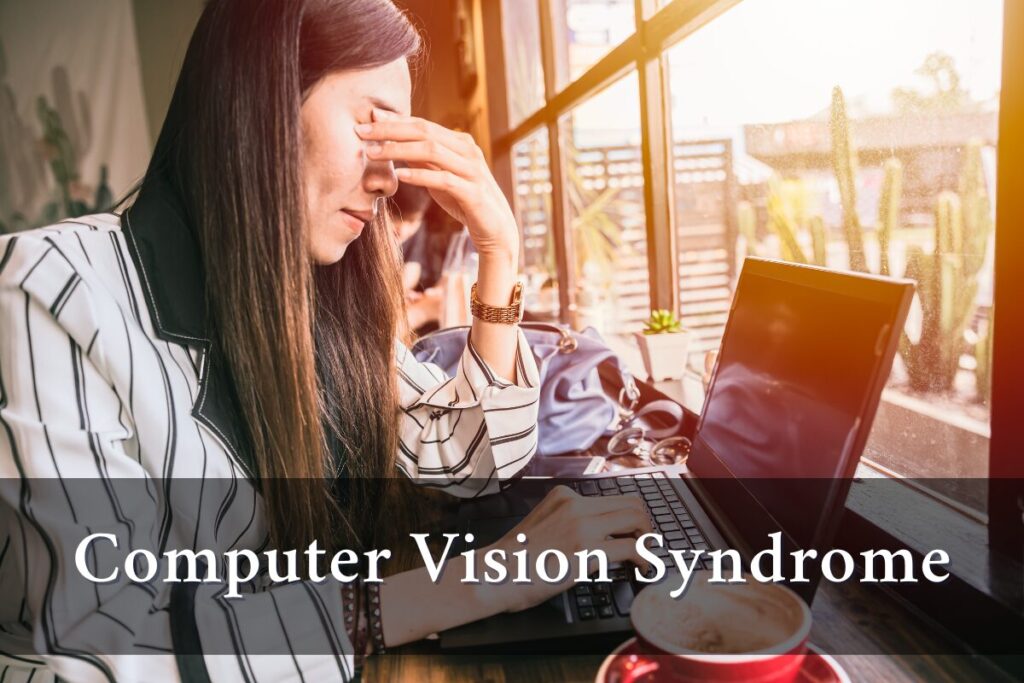
In the digitally connected world of India around 2025, where screens are an integral part of our daily lives for work, education, and leisure, many individuals experience a collection of eye and vision problems collectively known as Computer Vision Syndrome (CVS), or digital eye strain. The constant focus on brightly lit screens at close range can lead to discomfort and even affect productivity. Fortunately, several simple adjustments and habits can help ease these symptoms and promote greater eye comfort in our tech-driven age. Digital eye strain isn’t a single ailment but rather a group of related eye and vision issues that result from prolonged use of computers, tablets, smartphones, and e-readers. Understanding the common causes allows us to take proactive steps to mitigate its effects. Common Contributors to Digital Eye Strain: Several factors related to how we use digital devices contribute to eye strain: Reduced Blinking: When we focus intently on screens, our blink rate significantly decreases, leading to dry eyes. Close Viewing Distance: Holding digital devices at close range puts extra strain on the focusing muscles of our eyes. Poor Posture: Incorrect posture while using devices can lead to neck, shoulder, and back pain, which can be linked to eye strain. Glare and Reflections: Bright light reflecting off the screen can cause discomfort and make it harder to see clearly. Blue Light Emission: The blue light emitted from screens has been linked to eye strain and potential disruption of sleep patterns. Small Text and Images: Straining to read small text or view tiny images on screens can tire the eyes. Infrequent Breaks: Long periods of uninterrupted screen time don’t give our eyes a chance to rest and refocus. Practical Tips for Reducing Digital Eye Strain: Implementing these simple strategies can make a significant difference in the comfort of your eyes when using digital devices: Follow the 20-20-20 Rule: This is a cornerstone of digital eye strain relief. Every 20 minutes, take a 20-second break to look at something about 20 feet away. This allows your eye muscles to relax. Blink Consciously: Make a deliberate effort to blink more often while using screens. If your eyes feel dry, consider using artificial tears to lubricate them. Adjust Your Viewing Distance: Position your computer screen at an arm’s length away (about 20-26 inches). Hold smartphones and tablets further away than you typically do. Optimize Your Posture: Sit in a comfortable chair with good back support. Ensure your feet are flat on the floor or on a footrest. Position your screen so that the top of the screen is at or slightly below eye level. Reduce Glare: Minimize sources of glare by adjusting the position of your screen, using anti-glare screen protectors, and controlling overhead lighting. Adjust Screen Brightness and Contrast: Match the brightness of your screen to the surrounding light. Reduce the contrast if it feels too harsh. Use Blue Light Filters: Many devices have built-in blue light filters or night mode settings that reduce the amount of blue light emitted. You can also consider blue light filtering glasses. Increase Text Size: Adjust the font size on your devices to a comfortable reading level to reduce eye strain. Take Frequent Breaks: Don’t just rely on the 20-20-20 rule. Take longer breaks (at least 5-10 minutes) every hour to stand up, stretch, and look away from your screen. Optimize Your Workspace Lighting: Avoid working in a dimly lit room with a bright screen. Use task lighting to illuminate your work area without causing glare on the screen. Consider Computer Glasses: If you spend many hours in front of a computer, talk to your eye doctor about computer glasses. These specialized glasses can have a slightly different prescription optimized for intermediate viewing distances. Practice Eye Exercises: Simple eye exercises, such as focusing on near and far objects, can help strengthen eye muscles and improve focus flexibility. Stay Hydrated: Drinking enough water helps keep your body, including your eyes, properly hydrated, which can alleviate dry eye symptoms. Get Regular Eye Exams: Regular comprehensive eye exams are essential to identify any underlying vision problems that may be contributing to digital eye strain. Your eye doctor can also provide personalized advice for managing your symptoms. By incorporating these tips into your daily routine, you can significantly reduce the discomfort associated with digital eye strain and promote healthier, more comfortable vision in our increasingly digital world in India and beyond. Make eye comfort a priority in your tech-savvy lifestyle.

Easing Digital Eye Strain: Practical Tips for Comfort in the Tech Age Read Post ยป

UV Protection Sunglasses
Uncategorized

Shielding Your Eyes from the Sun: Why Sunglasses are a Must in Sunny

In a country as vibrant and sun-drenched as India, where bright sunshine is a daily reality for most of the year, protecting our eyes from the harmful effects of ultraviolet (UV) radiation is not just a matter of comfort โ€“ it’s an essential aspect of maintaining long-term eye health. Just as we wouldn’t step out in the scorching heat without considering sun protection for our skin, our eyes too require a reliable shield against the damaging rays of the sun. The sun emits various types of radiation, including UV-A and UV-B rays. While the ozone layer filters out most of the more harmful UV-C rays, significant amounts of UV-A and UV-B reach the Earth’s surface, and prolonged exposure can have detrimental effects on our eyes. This is particularly relevant in sunny regions like much of India. The Hidden Dangers of UV Exposure to Your Eyes: Over time, cumulative exposure to UV radiation can contribute to a range of eye problems, some of which can have long-lasting consequences: Photokeratitis (Sunburned Eyes): Short-term, intense exposure to UV rays can cause a painful condition similar to sunburn on the cornea (the clear front surface of the eye). Symptoms include redness, pain, a gritty feeling, tearing, and temporary vision loss. This can occur after spending time in very bright sunlight, especially when reflected off water or snow (though less common in most of India, it’s relevant in certain regions). Cataracts: Long-term UV exposure is a significant risk factor for the development of cataracts, the clouding of the eye’s natural lens that can lead to blurred vision. As discussed previously, cataracts are becoming increasingly prevalent, even at younger ages in India, and UV protection is a crucial preventative measure. Pterygium: This is a non-cancerous growth on the conjunctiva (the clear tissue covering the white part of the eye) that can extend onto the cornea, potentially affecting vision and causing irritation. Chronic UV exposure is a major contributing factor. Pinguecula: Similar to a pterygium, a pinguecula is a yellowish bump on the conjunctiva, often appearing on the side closest to the nose. While usually not affecting vision, it can become inflamed and uncomfortable, and UV exposure is a key risk factor. Macular Degeneration: Some studies suggest a link between long-term UV exposure and an increased risk of age-related macular degeneration (AMD), a leading cause of vision loss in older adults that affects central vision. Skin Cancer Around the Eyes: The skin around the eyes is delicate and susceptible to sun damage, including skin cancer. Wearing sunglasses provides protection to this sensitive area. Why Sunglasses Are Essential in Sunny India: Given the abundant sunshine across India for a significant portion of the year, wearing quality UV-protective sunglasses is not just a fashion statement โ€“ it’s a vital health habit. Here’s why they are a must: Protection from Harmful UV Rays: Good quality sunglasses block out a significant percentage of both UV-A and UV-B radiation, shielding your eyes from these damaging rays. Reducing Glare: Sunglasses reduce glare from sunlight reflecting off surfaces like roads, water bodies, and buildings, improving visual comfort and safety, especially while driving or participating in outdoor activities. Preventing Eye Strain: By reducing brightness and glare, sunglasses can help prevent eye strain and fatigue, especially on bright sunny days. Protecting Sensitive Eyes: Individuals with light-colored eyes or those who have recently undergone eye surgery may be more sensitive to sunlight and benefit greatly from wearing sunglasses. Long-Term Eye Health Investment: Consistent use of UV-protective sunglasses is an investment in the long-term health of your eyes, potentially reducing the risk of developing serious eye conditions later in life. Choosing the Right Sunglasses for Optimal Protection: When selecting sunglasses, it’s important to look beyond style and focus on their protective capabilities: Check the Label: Ensure the sunglasses block 99-100% of both UV-A and UV-B rays. Look for labels that say “UV 400 protection,” which means they block all UV rays with wavelengths up to 400 nanometers. Lens Color Doesn’t Indicate UV Protection: The darkness or color of the lenses doesn’t determine their UV protection level. Clear lenses can also offer 100% UV protection. Consider Lens Size and Coverage: Larger lenses and wraparound styles offer more comprehensive protection by shielding your eyes from UV rays entering from the sides. Polarized Lenses Reduce Glare: While polarization doesn’t block UV rays, it helps reduce glare from reflective surfaces, enhancing visual clarity and comfort. You can choose polarized lenses in addition to UV protection. Check for Impact Resistance: For active individuals or children, consider lenses made from polycarbonate, which are impact-resistant. Make Sunglasses a Daily Habit: Just like applying sunscreen has become a routine for protecting our skin, making the wearing of UV-protective sunglasses a daily habit is crucial for safeguarding our vision in sunny India. Whether you’re commuting, working outdoors, enjoying leisure activities, or simply stepping out for errands, make sure you have your sunglasses handy. Your eyes will thank you in the long run. Protect your precious sight โ€“ make UV protection sunglasses an essential part of your everyday life in the bright Indian sunshine.

Shielding Your Eyes from the Sun: Why Sunglasses are a Must in Sunny Read Post ยป

Scroll to Top