📞 +91 92057 75009

✉ swastikeyeandhealthcare@gmail.com

drmabehara

dr madhusmita blog
Uncategorized

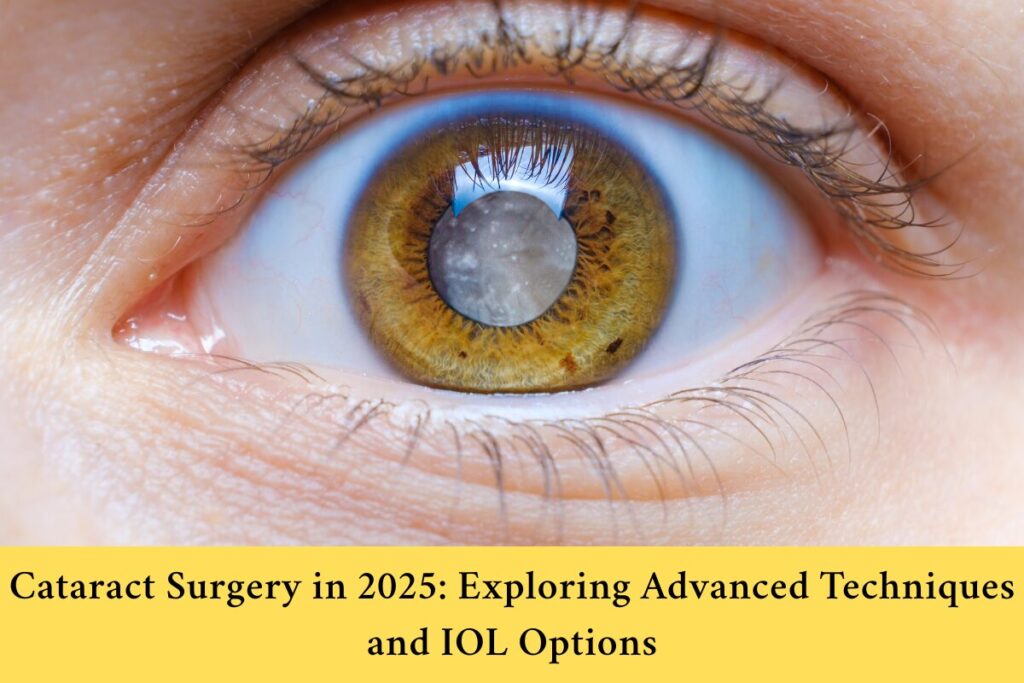
Cataract Surgery in 2025: Exploring Advanced Techniques and IOL Options

For many individuals in India in 2025, a cataract diagnosis no longer means a future of blurry, hazy vision. The landscape of cataract surgery has evolved significantly, moving beyond a simple sight-restoring procedure to a vision-enhancing experience. Today, patients have access to advanced surgical techniques and a variety of sophisticated intraocular lenses (IOLs) that can not only remove a cataract but also address other vision problems like astigmatism, presbyopia, and myopia. While the fundamental goal of cataract surgery remains the same—to replace the cloudy natural lens with a clear artificial one—the methods and materials used have been refined to offer better outcomes, faster recovery, and more personalized visual results. Advanced Cataract Surgical Techniques: Modern cataract surgery is highly precise and efficient, with a primary goal of being minimally invasive. Phacoemulsification: This technique has been the standard for years and remains the most common. It uses a small, ultrasonic probe that is inserted through a tiny incision to break up the cataract into small pieces. These pieces are then gently suctioned out of the eye. This method is highly effective, allowing for a small incision that often heals without stitches. Femtosecond Laser-Assisted Cataract Surgery (FLACS): This is a key technological advancement in 2025. FLACS uses a special laser to perform several crucial steps of the surgery that were traditionally done manually with a blade. The laser can: Create the tiny incision with incredible precision. Make a perfectly circular opening in the lens capsule, which is vital for the IOL’s stability. Soften the hard cataract before it is broken up and removed. Correct minor astigmatism by making small incisions in the cornea. While FLACS adds a layer of automation and precision, the final removal of the cataract still uses phacoemulsification. The choice between traditional phaco and FLACS often depends on the individual case and the patient’s and surgeon’s preference. The Power of Advanced Intraocular Lenses (IOLs): The real revolution in modern cataract surgery lies in the sophisticated IOLs that are now available. These are not one-size-fits-all solutions; they are tailored to individual lifestyles and visual needs. Monofocal IOLs: This is the most common and standard IOL. It provides clear vision at a single distance (usually far). Patients with these lenses will still need glasses for reading and other close-up tasks. Toric IOLs: These are a breakthrough for patients with astigmatism, an irregularity in the cornea that causes blurred vision. Toric IOLs are specially designed to correct astigmatism, significantly reducing or even eliminating the need for glasses for distance vision after surgery. Multifocal and Trifocal IOLs: These advanced IOLs are designed to provide clear vision at multiple distances—far, intermediate (like for computers), and near (for reading). This can greatly reduce or eliminate the need for glasses altogether for many daily activities. While they offer incredible freedom, some patients may experience halos or glare around lights at night. Extended Depth of Focus (EDOF) IOLs: These lenses are a newer category that provides a continuous range of vision from a certain distance to far. They offer a good balance between the benefits of multifocal IOLs (reduced need for glasses) and monofocal IOLs (fewer nighttime halos and glare). Choosing the Right Path for You: In India’s advanced ophthalmic landscape of 2025, patients have an array of options to choose from. The best approach for you will depend on several factors: Your Lifestyle: Are you a professional who spends hours on a computer? Do you enjoy outdoor activities? Your Visual Needs: Do you want to be completely free of glasses, or are you comfortable using them for reading? Your Eye Health: The condition of your cornea, retina, and other parts of your eye will influence the most suitable IOL choice. Cost: While advanced IOLs and laser-assisted surgery offer more benefits, they also come at a higher cost. The Future is Clear: Cataract surgery in 2025 is more than just a procedure to remove a cloudy lens; it’s an opportunity to optimize and enhance your vision. By discussing your lifestyle and expectations openly with your ophthalmologist, you can make an informed decision and choose the advanced technique and IOL that are right for you, paving the way for a lifetime of clear and vibrant sight.

Cataract Surgery in 2025: Exploring Advanced Techniques and IOL Options Read Post »

Exploring SLT
Uncategorized

Laser for Glaucoma: Exploring SLT and Other Options for Indian Patients

For many individuals living with glaucoma in India, maintaining healthy vision is a top priority. While eye drops are often the first line of defense, laser treatments have emerged as effective and often convenient alternatives or additions to a glaucoma management plan. Around 2025, with advancements in ophthalmic technology, understanding these laser options, particularly Selective Laser Trabeculoplasty (SLT), is crucial for patients seeking to control their intraocular pressure (IOP) and preserve their sight. Glaucoma, often called the “silent thief of sight,” is a condition characterized by damage to the optic nerve, frequently linked to elevated pressure inside the eye. If left unaddressed, this pressure can lead to irreversible vision loss. Laser treatments offer a targeted approach to help manage this pressure. Why Consider Laser Treatment for Glaucoma? While eye drops are effective for many, they require consistent daily adherence and can sometimes cause side effects like irritation, dryness, or redness. For some patients in India, particularly those who struggle with remembering daily drops or experience adverse reactions, laser therapy can be a compelling alternative or a way to reduce reliance on medications. Understanding Selective Laser Trabeculoplasty (SLT): A Promising Option SLT is currently one of the most popular and effective laser treatments for open-angle glaucoma, the most common type. How it Works: SLT uses a low-energy laser to target specific cells in the trabecular meshwork, the eye’s natural drainage system. Instead of burning or destroying tissue, the laser stimulates these cells to work more efficiently, improving the outflow of fluid (aqueous humor) from the eye and thereby lowering IOP. Because it’s “selective,” it causes minimal collateral damage to surrounding tissues. Key Advantages: Effectiveness: Studies, including significant trials like the LiGHT trial, have shown SLT can be as effective as eye drops in reducing IOP, often achieving a 20-30% reduction. Safety Profile: It’s generally considered safe with minimal side effects, often just temporary mild inflammation or a transient rise in eye pressure. Repeatability: Unlike some older laser treatments, SLT can often be repeated safely if the pressure-lowering effect wears off over time (typically after 1-5 years). Convenience: It’s an outpatient procedure, usually taking only 5-10 minutes per eye, with a quick recovery time. Many patients can return to normal activities the next day. Potential to Reduce Drops: For many patients, SLT can significantly reduce or even eliminate the need for daily glaucoma eye drops, improving patient compliance and quality of life. This is particularly beneficial in India where consistent medication adherence can be a challenge due to various factors including cost and access. Who is a Candidate for SLT? SLT is often recommended as an initial treatment for newly diagnosed open-angle glaucoma or ocular hypertension. It can also be used for patients whose IOP is not well-controlled with drops, or who experience side effects from them. Other Laser Treatment Options for Glaucoma: While SLT is prominent, other laser procedures address different types of glaucoma or specific situations: Laser Peripheral Iridotomy (LPI): How it Works: LPI creates a tiny hole in the iris (the colored part of the eye). This helps to widen the angle between the iris and the cornea, preventing or treating angle-closure glaucoma, where the iris blocks fluid drainage. Use Cases: LPI is a crucial preventive measure for individuals with narrow angles who are at risk of an acute angle-closure attack. Argon Laser Trabeculoplasty (ALT): How it Works: Similar to SLT, ALT also targets the trabecular meshwork but uses a different type of laser (argon laser) which creates small burns. These burns cause tightening and opening of the meshwork, facilitating fluid drainage. Use Cases: Primarily for open-angle glaucoma. While effective, it’s generally considered less repeatable than SLT due to the tissue scarring it causes. Cyclophotocoagulation (CPC/Cyclodiode Laser Therapy): How it Works: This procedure uses a laser to reduce the production of aqueous humor by treating part of the ciliary body (the tissue that produces the fluid). Use Cases: Often reserved for more advanced or severe cases of glaucoma where other treatments have not been successful, or when the vision potential is already limited. It can be used for both open-angle and angle-closure glaucoma. What to Expect During a Laser Glaucoma Procedure: Most laser treatments are performed in an outpatient setting in an ophthalmologist’s office or clinic. Preparation: Your eye will be numbed with eye drops. A special contact lens might be placed on your eye to help focus the laser. During the Procedure: You’ll typically sit at a machine, similar to a regular eye exam. You might see bright flashes of light and hear some clicking sounds, but it’s usually painless. After the Procedure: You may experience temporary blurriness, mild discomfort, or redness. Anti-inflammatory or pressure-lowering eye drops may be prescribed for a short period. Your doctor will schedule follow-up appointments to monitor your eye pressure. Important Considerations for Indian Patients: Consult Your Eye Doctor: The best laser treatment option depends on the type and severity of your glaucoma, your overall eye health, and your individual circumstances. Always have a thorough discussion with your ophthalmologist. Not a Cure: Laser treatments manage glaucoma by lowering eye pressure, but they don’t cure the disease or reverse existing damage. Lifelong monitoring and follow-up are still essential. Cost-Effectiveness: For many patients in India, the one-time cost of a laser procedure like SLT might be more manageable than the long-term, recurring expense of daily eye drops. Laser treatments offer a valuable and often preferred pathway for managing glaucoma. By understanding options like SLT, patients in India can work with their eye care professionals to make informed decisions and proactively protect their precious vision from the silent threat of glaucoma.

Laser for Glaucoma: Exploring SLT and Other Options for Indian Patients Read Post »

Scroll to Top