๐Ÿ“ž +91 92057 75009

โœ‰ swastikeyeandhealthcare@gmail.com

drmabehara

During Holi and Other Festivals
Uncategorized

Celebrating Safely: Protecting Your Eyes During Holi and Other Indian Festivals

India is a land of vibrant festivals, and Holi, the festival of colors, is perhaps one of the most joyous and visually spectacular. However, the very elements that make these celebrations so unique โ€“ the flying colors, the enthusiastic crowds, and sometimes even the use of other materials โ€“ can also pose a risk to our eyes. As we immerse ourselves in the festive spirit around 2025, it’s crucial to remember some simple yet effective ways to protect our precious vision and ensure a safe and happy celebration for ourselves and our loved ones. While the spirit of togetherness and joy is paramount during festivals, especially Holi, the potential for eye injuries should not be overlooked. Being mindful and taking a few precautions can prevent discomfort and, in some cases, serious eye damage. Potential Eye Hazards During Holi and Other Festivals: Several aspects of festive celebrations can pose risks to our eyes: Flying Colors (Gulal): These powdered colors, while the essence of Holi, can be irritating if they get into the eyes. Some low-quality or synthetic colors may contain harmful chemicals that can cause severe allergic reactions, infections, or even corneal abrasions. Water Balloons: Thrown with force, water balloons can cause blunt trauma to the eye, potentially leading to pain, blurred vision, and even more serious injuries. Water Jets and Sprayers: Direct sprays of water, especially if colored or contaminated, can irritate the eyes and potentially introduce infections. The force of the spray can also cause injury. Other Materials: In some local celebrations, people may use materials beyond just colored powder and water, some of which could be abrasive or chemically irritating to the eyes. Crowds and Physical Contact: Enthusiastic celebrations in crowded areas can lead to accidental pokes or bumps to the eyes. Fireworks and Sparklers (During Diwali and Other Festivals): These can pose a significant risk of burns and eye injuries if handled carelessly or if sparks fly into the eyes. Simple Tips for Protecting Your Eyes During Festive Celebrations: Taking a few proactive steps can significantly reduce the risk of eye injuries and allow you to enjoy the festivities worry-free: Wear Protective Eyewear: The best way to shield your eyes is by wearing glasses or sunglasses. Choose a pair that fits well and provides good coverage. This acts as a barrier against flying colors, water, and accidental pokes. Use Natural and Safe Colors: Opt for natural, organic colors made from plant-based sources. Avoid synthetic or industrial dyes, which are more likely to contain harmful chemicals. Purchase colors from reputable sources. Apply Oil or Cream Around the Eyes: Before playing Holi, apply a thin layer of oil (like coconut oil or baby oil) or a thick cream around your eyes. This can create a protective barrier and make it easier to wash off the colors later. Keep Your Eyes Closed When Colors are Applied: If someone is applying color to your face, make sure to keep your eyes tightly closed. Avoid Direct Aim at the Face: Be mindful when throwing colors or water balloons and avoid aiming directly at anyone’s face, especially their eyes. Use Water Gently: If using water to play, do so gently and avoid spraying it directly into anyone’s eyes. Stay Away from Fireworks at a Safe Distance: If celebrating with fireworks, maintain a safe distance and never look directly at them when they are lit. Ensure children are supervised closely. Consider wearing protective eyewear when handling fireworks. Be Cautious in Crowded Areas: Be aware of your surroundings in crowded places and try to avoid getting pushed or bumped. Wash Your Eyes Gently: If color or water gets into your eyes, don’t rub them. Flush them gently with plenty of clean water for several minutes. If irritation persists, seek medical attention. Remove Contact Lenses: If you wear contact lenses, it’s best to remove them before playing Holi, as the colors can get trapped behind the lenses and cause irritation or infection. Wear glasses instead. Seek Immediate Medical Attention for Injuries: If you experience any eye injury during the festivities, such as pain, blurred vision, or persistent redness, don’t delay in seeking medical help from an eye doctor. Celebrating with Sight Safety in Mind: Festivals are a time for joy, togetherness, and celebration. By taking a few simple precautions to protect our eyes, we can ensure that these cherished moments are remembered for their happiness and vibrancy, rather than for any unfortunate eye injuries. Let’s celebrate responsibly and keep our vision safe during Holi and all other festive occasions in India. Wishing everyone a safe and joyful celebration!

Celebrating Safely: Protecting Your Eyes During Holi and Other Indian Festivals Read Post ยป

Understanding Safe Use and Potential Risks
Uncategorized

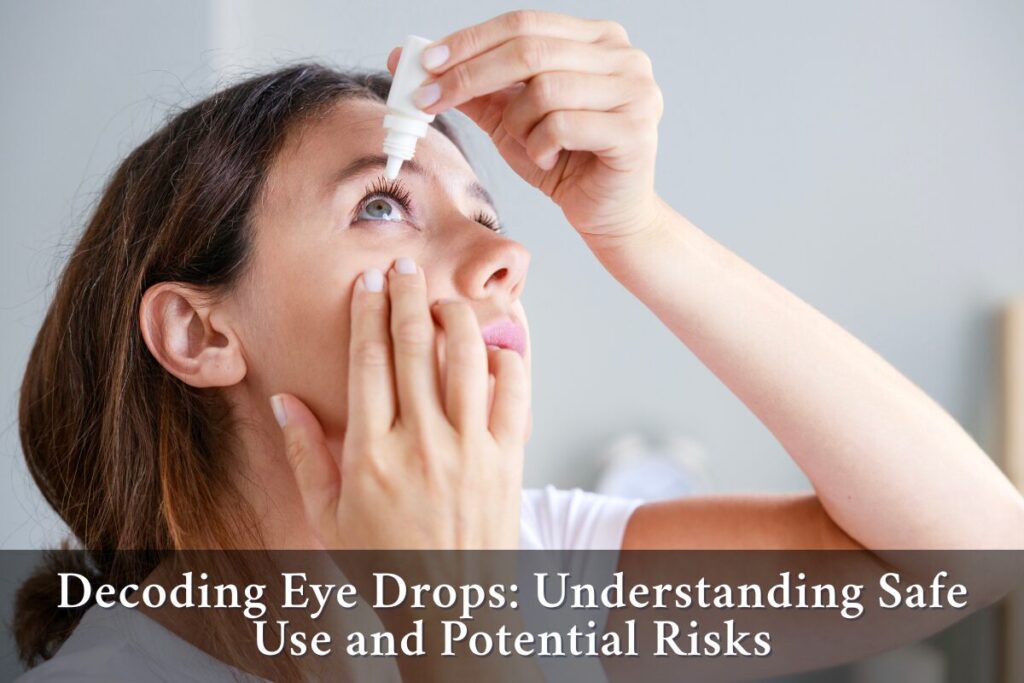
Decoding Eye Drops: Understanding Safe Use and Potential Risks

In the realm of eye care, eye drops are a common and readily available solution for various issues, from dryness and allergies to infections. However, with so many options available, it’s crucial to understand the truth about eye drops โ€“ what’s safe to use and what could potentially harm your vision. In India, where self-medication is sometimes prevalent, especially for seemingly minor ailments, knowing the right way to use eye drops and recognizing when professional advice is necessary is paramount for protecting your eye health. Eye drops can provide quick relief for various eye discomforts, but they are not all created equal, and their inappropriate use can lead to unintended consequences. Let’s delve into the important aspects of eye drop safety. Understanding Different Types of Eye Drops: It’s important to recognize that different types of eye drops serve different purposes: Lubricating Eye Drops (Artificial Tears): These are generally safe for frequent use and help to moisturize dry eyes. They are available over the counter. Decongestant Eye Drops: These drops aim to reduce redness by constricting blood vessels in the eye. They are also available over the counter but should be used sparingly and for short durations only, as prolonged use can lead to rebound redness and worsen dryness. Antihistamine Eye Drops: These over-the-counter or prescription drops help relieve itching and other symptoms of eye allergies by blocking histamine. Prescription Antibiotic Eye Drops: These are used to treat bacterial eye infections and require a doctor’s prescription. Using them without a proper diagnosis or for viral infections will not be effective and can even contribute to antibiotic resistance. Prescription Antiviral Eye Drops: Used to treat viral eye infections, such as herpes keratitis, and require a doctor’s prescription. Prescription Steroid Eye Drops: These powerful anti-inflammatory drops are used for various eye conditions but require strict medical supervision due to potential serious side effects, including glaucoma, cataracts, and worsening of certain infections. Prescription Glaucoma Eye Drops: Used to lower intraocular pressure in individuals with glaucoma. These are prescribed and monitored by an ophthalmologist. What Makes Eye Drops Safe (When Used Correctly): Proper Diagnosis: Using the right type of eye drop for the specific condition is crucial. Self-diagnosing can lead to ineffective treatment or even worsen the problem. Following Instructions: Always adhere to the instructions provided on the packaging or by your eye doctor regarding dosage and frequency of use. Hygiene: Wash your hands thoroughly before and after applying eye drops to prevent contamination. Avoid touching the dropper tip to your eye or any other surface. Storage: Store eye drops as directed, usually in a cool, dry place. Discard them after the expiration date or the recommended time after opening (as stated on the packaging). Prescription Drops Under Supervision: Prescription eye drops, especially those containing steroids or for conditions like glaucoma, should only be used under the guidance and regular monitoring of an ophthalmologist. When Eye Drops Can Be Unsafe or Harmful: Self-Treating Serious Conditions: Using over-the-counter drops for severe eye pain, blurred vision, or signs of infection without consulting a doctor can delay proper diagnosis and treatment, potentially leading to vision loss. Overuse of Decongestant Drops: As mentioned earlier, prolonged use can worsen redness and dryness. Using Expired or Contaminated Drops: This can introduce bacteria or other harmful substances into your eye, leading to infection. Sharing Eye Drops: Sharing eye drops can spread infections from one person to another. Using Steroid Drops Without Prescription: This is particularly dangerous as steroids can mask or worsen infections, elevate eye pressure leading to glaucoma, and contribute to cataract formation. In India, the availability of steroid eye drops without prescription in some areas is a significant concern. Ignoring Side Effects: If you experience any unusual side effects after using eye drops, such as increased pain, vision changes, or allergic reactions, discontinue use and consult your eye doctor immediately. Using the Wrong Drops After Surgery: Post-operative eye care instructions are specific. Using the wrong drops or deviating from the prescribed regimen can hinder healing and increase the risk of complications. Key Takeaways for Safe Eye Drop Use in India: Seek Professional Advice: For any persistent or concerning eye symptoms, consult an ophthalmologist for a proper diagnosis and treatment plan. Avoid self-treating with prescription-strength drops or for serious issues. Use Over-the-Counter Drops Wisely: Lubricating eye drops are generally safe for dry eyes. Use decongestant and antihistamine drops as directed and for short periods. Never Use Steroid Eye Drops Without a Prescription: This can have severe and irreversible consequences for your vision. Maintain Good Hygiene: Proper handwashing and avoiding contamination of the dropper are essential. Follow Storage and Expiration Guidelines: Store drops correctly and discard them when necessary. Be Aware of Potential Side Effects: Discontinue use and seek medical advice if you experience any adverse reactions. Understanding the truth about eye drops empowers you to use them safely and effectively. When in doubt, always err on the side of caution and consult an eye care professional to ensure you are using the right drops for your specific needs and protecting your precious vision.

Decoding Eye Drops: Understanding Safe Use and Potential Risks Read Post ยป

Scroll to Top