📞 +91 92057 75009

✉ swastikeyeandhealthcare@gmail.com

drmabehara

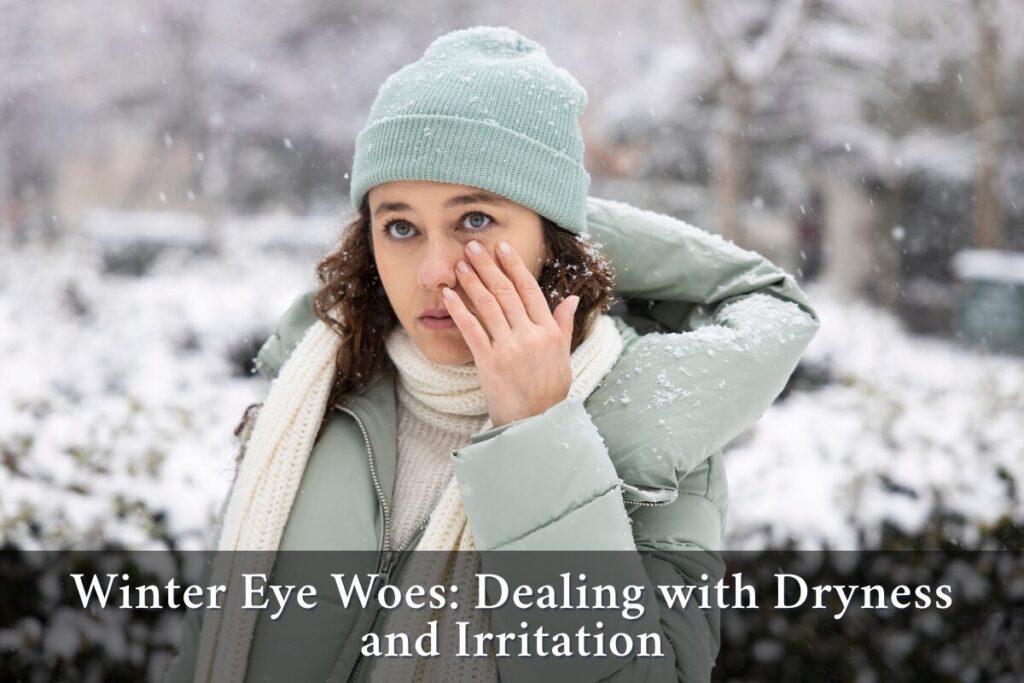
Dealing with Dryness and Irritation
Uncategorized

Eye Discomfort: Soothing Dryness and Irritation in the Cold Season

As the cooler months arrive in parts of India around 2025, bringing a welcome change in temperature, they can also usher in a set of challenges for our eyes, particularly dryness and irritation. The winter environment, often characterized by lower humidity and increased indoor heating, can disrupt the delicate balance of our tear film, leading to discomfort. Understanding why winter can be tough on our eyes and knowing how to soothe the dryness and irritation is key to maintaining comfortable vision throughout the season. The shift to winter brings about changes in our surroundings that can directly impact the health and comfort of our eyes. Recognizing these factors is the first step towards addressing winter eye woes. Why Winter Can Lead to Dry and Irritated Eyes: Several environmental and lifestyle changes during winter can contribute to eye dryness and irritation: Low Humidity: The air during winter, both outdoors and indoors (due to heating systems), often has lower humidity levels. This dry air can cause our tears to evaporate more quickly, leading to dryness. Indoor Heating: Central heating, room heaters, and even fireplaces can further dry out the air inside our homes and workplaces, exacerbating tear evaporation. Wind Exposure: Cold winter winds can strip moisture from the surface of our eyes, leading to dryness and a stinging sensation, especially when outdoors. Increased Screen Time Indoors: With shorter daylight hours and colder weather, we tend to spend more time indoors, often engaging in screen-based activities. Reduced blinking during screen use can worsen dry eye symptoms. Allergies: While often associated with spring, indoor allergens like dust mites, which can thrive in heated environments, can also contribute to eye irritation in winter. Changes in Tear Film Composition: Some studies suggest that cold weather might subtly affect the composition of our tear film, making it less effective at lubrication. Soothing Dryness and Irritation: Practical Tips for Winter Eye Comfort: Fortunately, several simple strategies can help alleviate winter eye woes and keep your eyes feeling comfortable: Use Artificial Tears Regularly: Lubricating eye drops, also known as artificial tears, are a mainstay for managing dry eyes. Use them frequently throughout the day, even if your eyes don’t feel particularly dry, as a preventative measure. Choose preservative-free options if you need to use them more than a few times a day. Increase Indoor Humidity: Use a humidifier in your home and workplace to add moisture to the air. Aim for a humidity level between 40% and 60%. Stay Hydrated: Drinking plenty of water helps keep your entire body hydrated, including your eyes. Take Breaks from Screens: Practice the 20-20-20 rule to reduce eye strain and encourage blinking. Take regular breaks from digital devices to give your eyes a rest. Avoid Direct Heat on Your Face: Try to avoid sitting directly in front of heaters or vents that blow warm air towards your face. Wear Protective Eyewear Outdoors: Shield your eyes from cold winds by wearing glasses or sunglasses when you go outside. Wraparound styles offer the best protection. Warm Compresses: Applying warm compresses to your closed eyelids for a few minutes can help stimulate tear production and soothe irritation. Gentle Eyelid Hygiene: Gently cleanse your eyelids with warm water and a mild, non-irritating cleanser to remove any debris or irritants that might be contributing to discomfort. Consider Omega-3 Supplements: Some studies suggest that omega-3 fatty acids may help improve tear film production and reduce dry eye symptoms. Consult your doctor before starting any supplements. Avoid Rubbing Your Eyes: Rubbing can worsen irritation and potentially damage the delicate surface of your eyes. Consult an Eye Doctor: If your dry eye symptoms are severe, persistent, or don’t improve with home remedies, consult an ophthalmologist. They can assess the underlying cause and recommend more specific treatments, such as prescription eye drops. Enjoying Winter with Comfortable Eyes: While winter can present challenges for our eye comfort, being proactive and implementing these simple tips can help soothe dryness and irritation, allowing you to fully enjoy the cooler season with clear and comfortable vision in India and wherever you may be. Make eye care a part of your winter wellness routine.

Eye Discomfort: Soothing Dryness and Irritation in the Cold Season Read Post »
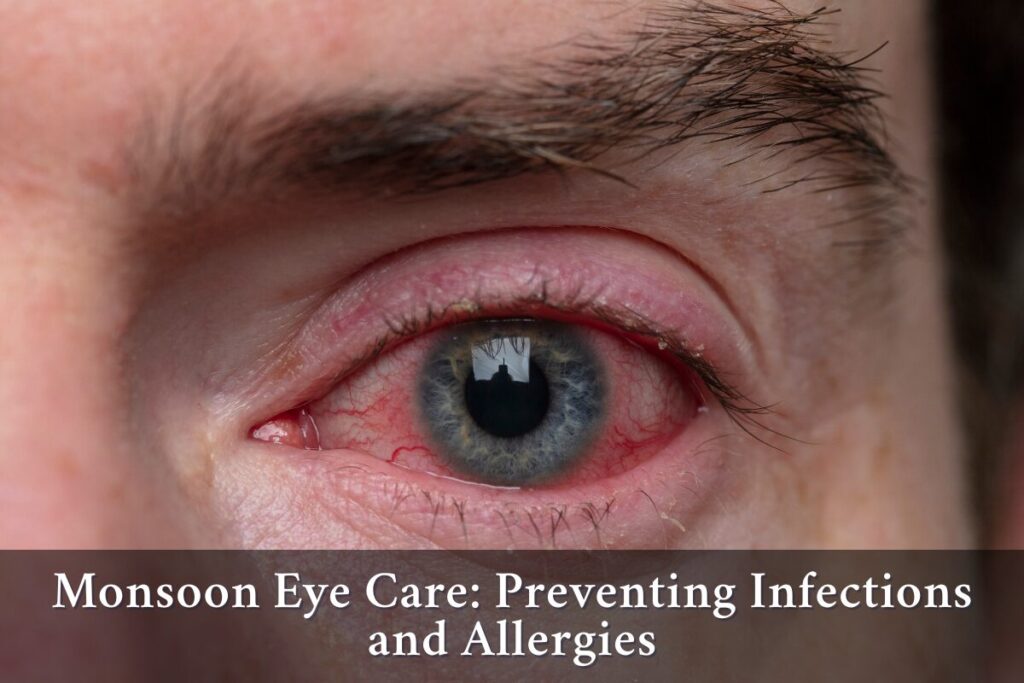
Preventing Infections and Allergies
Uncategorized

Rainy Season Eye Health: Staying Safe from Infections and Allergies During the Monsoon

The arrival of the monsoon in India brings much-needed relief from the summer heat, transforming the landscape into a lush green paradise. However, the increased humidity and dampness also create a breeding ground for various microorganisms and allergens, which can lead to a rise in eye infections and allergies. As we welcome the rains around 2025, it’s important to be aware of these potential eye health hazards and take proactive steps to protect our vision and enjoy the monsoon season comfortably. The monsoon climate, characterized by high humidity and frequent rainfall, can create conditions that favor the growth of bacteria, viruses, and fungi. Additionally, increased moisture can lead to a surge in allergens like mold spores. These factors can significantly impact our eye health. Common Monsoon Eye Problems: Several eye issues tend to become more prevalent during the rainy season in India: Conjunctivitis (Pinkeye): Both viral and bacterial conjunctivitis thrive in humid conditions and can spread easily through contact. Symptoms include redness, itching, burning, discharge, and a gritty feeling. Styes: Bacterial infections of the oil glands in the eyelids can be more common due to increased humidity and potential for bacteria to flourish. Corneal Ulcers: While often associated with contact lens wear, the risk of corneal ulcers from bacterial or fungal infections can increase during the monsoon, especially if the eyes are exposed to contaminated water. Fungal Keratitis: Fungal infections of the cornea can occur due to exposure to contaminated water or vegetable matter, which may be more prevalent during the rainy season. Eye Allergies: Increased mold growth due to dampness can trigger allergic conjunctivitis, leading to itchy, watery, red, and swollen eyes. Essential Eye Care Tips for the Monsoon Season: Protecting your eyes during the monsoon requires a few simple yet effective precautions: Maintain Good Hygiene: Wash your hands frequently with soap and water, especially before touching your eyes. Avoid rubbing your eyes, as this can introduce germs Avoid Touching Your Eyes with Dirty Hands: This is a primary way infections spread. Be mindful of what your hands have touched. Protect Your Eyes from Rainwater: Try to avoid direct contact with rainwater, especially if you are in areas with poor drainage or potential contamination. If rainwater splashes into your eyes, flush them gently with clean water. Be Cautious with Water Sources: Avoid swimming in potentially contaminated water bodies during the monsoon. If you do, wear tight-fitting goggles. Take Extra Care with Contact Lenses: Wash and dry your hands thoroughly before handling lenses. Use only fresh, sterile contact lens solutions. Never use tap water to rinse your lenses or lens cases. Clean your lens case regularly and allow it to air dry. Consider switching to daily disposable lenses during the monsoon to minimize the risk of infection. If you experience any redness, pain, or discharge while wearing contact lenses, remove them immediately and consult an eye doctor. Manage Allergies: If you are prone to eye allergies, try to minimize exposure to mold. Keep your home and surroundings as dry as possible. Use dehumidifiers if needed. Wash bedding frequently. Consult an allergist about potential preventative medications or treatments. Avoid Sharing Personal Items: Do not share towels, handkerchiefs, or eye makeup with others, as this can spread infections. Keep Your Surroundings Clean: Maintain a clean and hygienic environment at home and work to minimize the growth of mold and bacteria. Seek Prompt Medical Attention: If you experience any signs of eye infection or severe allergy symptoms, such as persistent redness, pain, blurred vision, discharge, or increased sensitivity to light, consult an ophthalmologist immediately. Self-treating can delay proper care and potentially lead to complications. Enjoying the Rains with Healthy Eyes: The monsoon season can be a beautiful time of year in India. By being aware of the potential risks to our eye health and following these simple preventative measures, we can minimize the chances of infections and allergies and fully enjoy the refreshing rains with healthy and comfortable eyes. Stay vigilant, practice good hygiene, and seek professional help when needed to keep your vision clear throughout the monsoon.

Rainy Season Eye Health: Staying Safe from Infections and Allergies During the Monsoon Read Post »

Scroll to Top