Kids’ Eyes Matter: Understanding Common Vision Issues and Solutions for Children
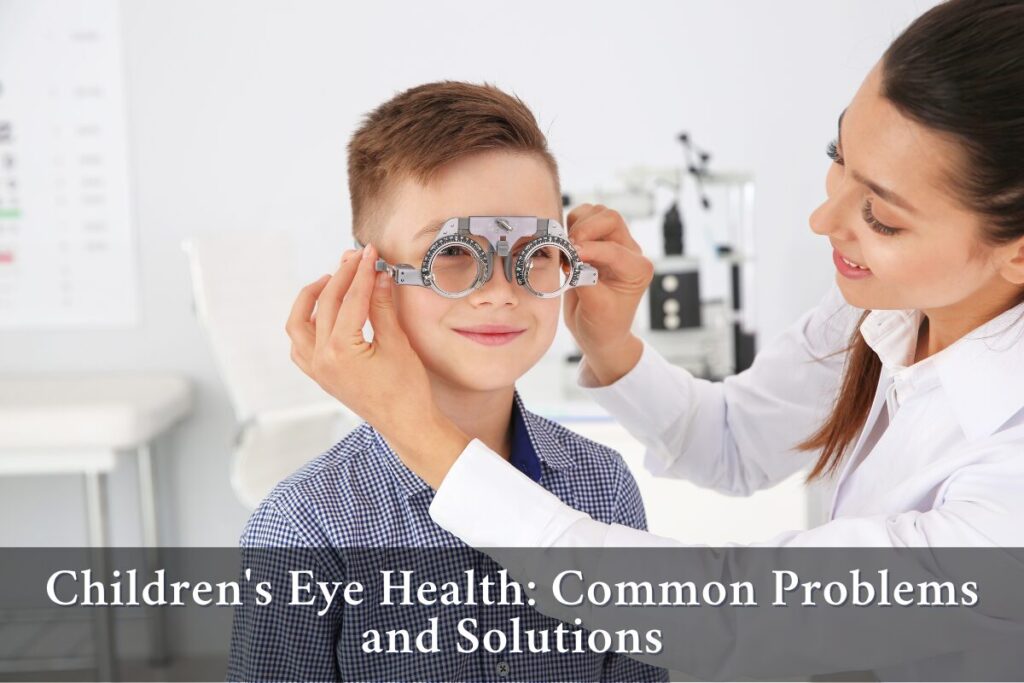
Healthy vision is crucial for a child’s development, impacting their learning, social interactions, and overall well-being. 1 In India around 2025, ensuring our children have clear and comfortable vision is a priority. However, various eye problems can affect children, sometimes without them even realizing it. This blog post aims to shed light on some common eye issues in children and discuss potential solutions to help them see the world clearly. Children’s eyes are constantly developing, and good vision is essential for them to thrive. Recognizing potential problems early can make a significant difference in their long-term eye health and development. Common Eye Problems Affecting Children: Several eye conditions can affect children, some of which may have no obvious outward signs: Refractive Errors: These are very common and include: Myopia (Nearsightedness): Difficulty seeing distant objects clearly. This is becoming increasingly prevalent. Hyperopia (Farsightedness): Difficulty seeing close-up objects clearly. Astigmatism: Blurred vision at both near and far distances due to an irregularly shaped cornea. Amblyopia (Lazy Eye): A condition where one eye doesn’t develop proper vision, often due to misalignment or a significant difference in refractive error between the two eyes. If not treated early, it can lead to permanent vision loss in the weaker eye. Strabismus (Crossed or Wandering Eyes): A misalignment of the eyes, where they don’t look in the same direction at the same time. This can interfere with depth perception and may lead to amblyopia. Conjunctivitis (Pinkeye): As discussed previously, this common infection can affect children, causing redness, itching, discharge, and discomfort. It can be viral, bacterial, or allergic. Eye Allergies: Children can also experience allergic conjunctivitis, leading to itchy, watery, red, and swollen eyes due to allergens like pollen, dust, or pet dander. Blocked Tear Duct: Common in infants, this can cause excessive tearing and sometimes discharge from one or both eyes. It often resolves on its own. Ptosis (Droopy Eyelid): A drooping of the upper eyelid, which can sometimes obstruct vision. Color Vision Deficiency (Color Blindness): A reduced ability to distinguish between certain colors, which is usually inherited. Recognizing Potential Signs of Eye Problems in Children: Children may not always be able to articulate that they are having vision problems. Parents and caregivers should be aware of potential signs, including: Frequent Eye Rubbing or Blinking: This could indicate irritation, dryness, or eye strain. Squinting or Tilting the Head to See Clearly: These are compensatory mechanisms to try and focus better. Holding Books or Devices Very Close to the Face: This suggests difficulty seeing clearly at normal distances. Complaining of Headaches or Eye Strain: Especially after reading or screen time. Difficulty Focusing or Tracking Objects: May be noticeable during play or while reading. Clumsiness or Poor Hand-Eye Coordination: Vision problems can affect spatial awareness. Avoiding Reading or Close-Up Work: This could indicate discomfort or difficulty seeing clearly. One Eye That Turns Inward or Outward: A sign of strabismus. Excessive Tearing or Discharge: May indicate a blocked tear duct or infection. Sensitivity to Light: Could be a symptom of various eye conditions. Solutions and Tips for Children’s Eye Health: Early detection and appropriate intervention are key to managing children’s eye problems: Regular Eye Exams: Children should have their first comprehensive eye exam by an ophthalmologist or optometrist around the age of 3, and then regularly as recommended. Vision screenings at school are helpful but not a substitute for a thorough eye exam. Prompt Attention to Symptoms: If you notice any of the signs mentioned above, schedule an eye exam for your child promptly. Following Treatment Recommendations: If a vision problem is diagnosed, diligently follow the eye doctor’s recommendations, which may include wearing glasses, contact lenses, patching therapy for amblyopia, or other treatments. Encourage Healthy Screen Habits: Limit screen time and encourage regular breaks using the 20-20-20 rule. Ensure proper lighting when using digital devices. Promote Outdoor Play: Spending time outdoors in natural light is thought to be beneficial for eye development and may help reduce the risk of myopia. Ensure a Healthy Diet: A balanced diet rich in vitamins and nutrients supports overall eye health. Protect Eyes During Play: Encourage the use of protective eyewear during sports or activities with potential eye hazards. Educate Children About Eye Safety: Teach children not to rub their eyes excessively and to be careful with sharp objects and projectiles. Address Allergies: If your child has eye allergies, work with a doctor to identify triggers and manage symptoms with appropriate medications or strategies. Investing in Your Child’s Sight: Ensuring our children have healthy vision is an investment in their future. By being aware of common eye problems, recognizing the signs, and seeking timely professional care, we can help them reach their full potential and see the world with clarity and confidence in India and beyond. Make regular eye exams a priority for your children’s overall health and well-being.
Kids’ Eyes Matter: Understanding Common Vision Issues and Solutions for Children Read Post »