๐Ÿ“ž +91 92057 75009

โœ‰ swastikeyeandhealthcare@gmail.com

drmabehara

Eye Problems You Shouldn't Ignore
Uncategorized

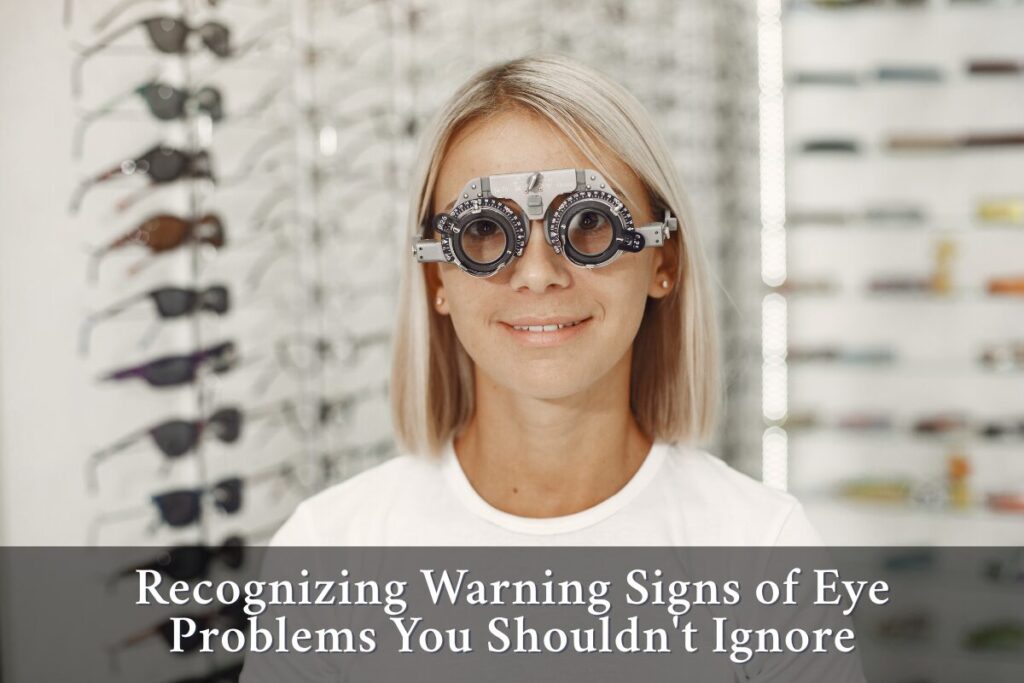
Don’t Brush It Off: Recognizing Eye Changes That Need Attention

Our vision is a precious sense that we often take for granted. While some minor eye discomfort or temporary blurriness might not seem alarming, there are certain warning signs that our eyes send us that should never be ignored. Promptly recognizing these red flags and seeking professional help can be crucial in preventing serious vision loss and ensuring the long-term health of your eyes. In India, where access to timely medical care is vital, understanding these critical signals is something everyone should be aware of. While occasional eye fatigue or minor irritation might be common, certain changes in your vision or eye comfort warrant immediate attention from an eye care professional. Ignoring these warning signs could have significant consequences for your sight. Critical Eye Warning Signs You Should Never Ignore: Here are some key symptoms that should prompt a visit to an ophthalmologist without delay: Sudden Changes in Vision: Any abrupt decrease in vision, whether it’s blurred vision, double vision, or a complete loss of sight in one or both eyes, is a serious concern and requires immediate evaluation. This could indicate various conditions, including retinal detachment, stroke affecting the eye, or optic nerve issues. Sudden Appearance of Many New Floaters or Flashes of Light: As discussed previously, a sudden shower of new floaters, especially when accompanied by flashes of light, can be a sign of a posterior vitreous detachment (PVD) or, more seriously, a retinal tear or detachment. Prompt examination can help prevent vision loss. Eye Pain, Especially Severe or Sudden Onset: Significant eye pain, particularly if it comes on suddenly or is accompanied by redness, blurred vision, or nausea, could indicate conditions like acute angle-closure glaucoma, corneal ulcer, or inflammation inside the eye. Persistent Redness of the Eye: While occasional redness can be due to minor irritation, persistent or severe redness, especially if accompanied by pain, discharge, or blurred vision, could signal an infection (like conjunctivitis or a more serious corneal infection) or inflammation that needs medical attention. Halos Around Lights: Seeing rings or halos around lights, especially at night, can be a symptom of angle-closure glaucoma, a condition that can cause rapid vision loss if not treated promptly. Severe Headache Accompanied by Vision Changes: A sudden, severe headache coupled with blurred vision, double vision, or other visual disturbances could be a sign of a serious neurological condition or a problem with pressure inside the skull affecting the optic nerves. Distortion or Wavy Lines in Your Vision: Seeing straight lines appear wavy or distorted can be a symptom of macular degeneration or other problems affecting the central part of the retina. A Dark Curtain or Shadow Moving Across Your Vision: This is a classic symptom of retinal detachment, where the retina is pulling away from the back of the eye, and requires immediate surgical intervention to prevent permanent vision loss. Pupils of Unequal Size (Anisocoria): While a slight difference in pupil size can be normal for some, a sudden or significant difference in pupil size, especially if accompanied by other symptoms like headache, drooping eyelid, or double vision, could indicate a neurological issue. Persistent Foreign Body Sensation: If you feel like something is constantly in your eye and it doesn’t go away with blinking or rinsing, there might be a foreign object embedded or a scratch on the cornea that needs medical attention. Why Prompt Action is Crucial: Ignoring these warning signs can have serious consequences for your vision. Many eye conditions are treatable, especially when caught early. Delaying treatment can lead to irreversible damage and significant vision loss or even blindness. Taking Charge of Your Eye Health in India: In India, being proactive about your health is essential. If you experience any of these warning signs, don’t hesitate to seek immediate medical attention from an ophthalmologist. Don’t try to self-diagnose or wait for the symptoms to go away on their own. Your vision is a precious gift, and prompt action can make all the difference in preserving it for a lifetime. Be vigilant, listen to your body, and prioritize your eye health.

Don’t Brush It Off: Recognizing Eye Changes That Need Attention Read Post ยป

Eye Exams for All Ages in India
Uncategorized

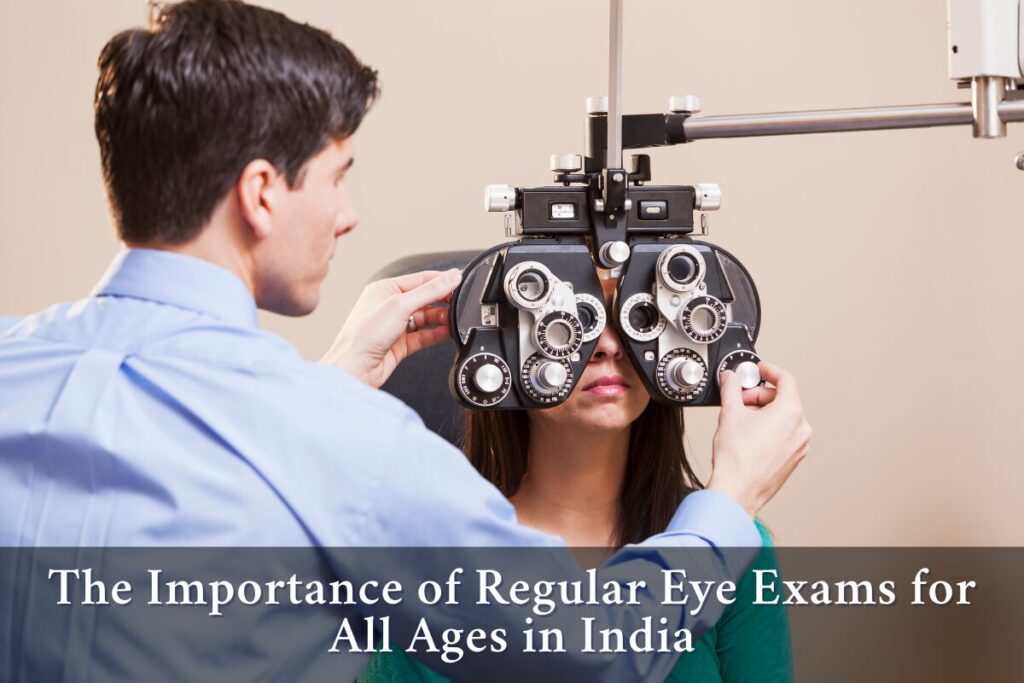
Why Regular Eye Check-Ups Matter for Everyone in India

In the vibrant and diverse landscape of India around 2025, where health awareness is steadily growing, one crucial aspect of overall well-being often gets overlooked: the importance of regular eye examinations. Many people believe eye exams are only necessary when they experience noticeable vision problems. However, this couldn’t be further from the truth. Just like routine check-ups with your physician or dentist, regular visits to an eye doctor are vital for maintaining healthy vision at every stage of life, from childhood to old age. This blog post emphasizes why scheduling regular eye exams should be a priority for everyone in India. Our eyes are our windows to the world, and taking care of them proactively is essential. Regular eye exams go far beyond just checking if you need glasses; they are a cornerstone of preventive eye care. Why Regular Eye Exams Are Crucial at Every Age: The reasons for regular eye exams vary depending on your age: For Children: Vision plays a critical role in a child’s learning and development. Many vision problems in children have no obvious symptoms and can go undetected until they cause significant difficulties in school or other activities. Regular eye exams can identify issues like refractive errors (nearsightedness, farsightedness, astigmatism), lazy eye (amblyopia), and crossed eyes (strabismus) early on, when treatment is most effective. Early intervention can prevent long-term vision problems and ensure a child reaches their full potential. For Adults (19-40): Even if you have seemingly perfect vision, regular eye exams are still important. They can detect early signs of eye diseases like glaucoma, which often has no symptoms in its initial stages. Additionally, eye exams can uncover other health issues, such as diabetes or high blood pressure, as changes in the blood vessels of the eye can be early indicators. Digital eye strain from prolonged screen use is also a growing concern in this age group, and eye exams can provide strategies for managing it. For Adults (41-60): As we enter our 40s, age-related vision changes like presbyopia (difficulty focusing up close) become common. Regular eye exams can ensure you have the correct eyewear for reading and other close tasks. Furthermore, the risk of developing eye conditions like cataracts and glaucoma starts to increase in this age group, making regular check-ups even more vital for early detection and management. For Seniors (61+): The risk of developing various age-related eye diseases, including cataracts, glaucoma, age-related macular degeneration (AMD), and diabetic retinopathy, increases significantly with age. Regular comprehensive eye exams are crucial for early detection, timely treatment, and preventing vision loss from these conditions. Seniors may also experience dry eyes and other comfort issues that can be addressed during an eye exam. What Happens During a Regular Eye Exam? A comprehensive eye exam involves more than just reading an eye chart. Your eye doctor may perform several tests, including: Visual Acuity Test: To measure the sharpness of your vision at different distances. Refraction: To determine your prescription for glasses or contact lenses. Eye Muscle Function Test: To check how your eyes move and work together. Slit-Lamp Examination: To examine the front structures of your eye under high magnification. Tonometry: To measure the pressure inside your eye, a key test for glaucoma. Dilated Eye Examination: Eye drops are used to widen your pupils, allowing the doctor to get a better view of the retina, optic nerve, and blood vessels at the back of your eye, which is crucial for detecting conditions like AMD, diabetic retinopathy, and glaucoma. Making Eye Health a Priority in India: In India, with its diverse population and varying access to healthcare, emphasizing the importance of regular eye exams for all ages is crucial. Early detection and timely intervention can prevent significant vision impairment and improve the quality of life for millions. Whether you are a child, a young adult navigating the digital world, a middle-aged individual experiencing the first signs of presbyopia, or a senior at higher risk for age-related eye diseases, make regular eye exams a non-negotiable part of your healthcare routine. Your vision is a precious sense โ€“ protect it with proactive eye care. Schedule your eye exam today!

Why Regular Eye Check-Ups Matter for Everyone in India Read Post ยป

Scroll to Top