
📞 +91 92057 75009

✉ swastikeyeandhealthcare@gmail.com

drmabehara

Fact or Fiction
Uncategorized

Our Inherited Vision: Understanding How Genes Influence Common Eye Diseases

We often consider environmental factors like screen time or pollution when thinking about eye health. However, our genetic makeup plays a significant role in determining our susceptibility to various eye conditions. In India, with its diverse genetic pool, understanding the influence of heredity on common eye diseases is crucial for both individuals and healthcare professionals. This blog post explores how our genes can increase or decrease our risk for certain eye ailments. While lifestyle and environmental factors undoubtedly contribute to eye health, the blueprint we inherit from our parents can significantly shape our visual destiny. Let’s delve into the genetic links to some common eye diseases. The Genetic Hand We’re Dealt: How Genes Influence Eye Health: Our genes contain the instructions for building and maintaining every part of our body, including our eyes. Variations in these genes can sometimes make us more prone to developing certain eye conditions. It’s important to note that having a genetic predisposition doesn’t always mean you will definitely get the disease, but it does increase your risk. Common Eye Diseases with Genetic Links: Here are some prevalent eye diseases where genetics plays a significant role: Refractive Errors (Myopia, Hyperopia, Astigmatism): If your parents have nearsightedness (myopia), farsightedness (hyperopia), or astigmatism, you have a higher chance of developing these conditions yourself. While environmental factors like increased near work are implicated in the rising rates of myopia, the underlying susceptibility often has a genetic component. Age-Related Macular Degeneration (AMD): AMD, a leading cause of vision loss in older adults, has a strong genetic link. Several genes have been identified that increase the risk of developing both the dry and wet forms of AMD. Having a family history of AMD significantly elevates your chances of developing the condition. Glaucoma: Different types of glaucoma have genetic connections. Primary open-angle glaucoma, the most common form, has multiple genes that can increase susceptibility. Angle-closure glaucoma and congenital glaucoma also have identified genetic links. If you have a family history of glaucoma, regular eye exams are particularly important. Cataracts: While most cataracts are age-related, genetics can play a role in the age of onset and the type of cataract that develops. Some individuals may inherit a predisposition to developing cataracts earlier in life. Congenital cataracts, present at birth, are often caused by genetic mutations. Retinitis Pigmentosa (RP): This is a group of rare, inherited genetic disorders that cause a progressive loss of vision, typically starting with night blindness and gradually leading to tunnel vision and sometimes complete blindness. Multiple genes are implicated in RP, and different genetic mutations can lead to varying patterns and severity of vision loss. Color Vision Deficiency (Color Blindness): The most common form of color blindness is inherited and linked to genes on the X chromosome, making it more prevalent in males. Diabetic Retinopathy: While diabetes itself is influenced by genetics and lifestyle, the risk of developing diabetic retinopathy, a vision-threatening complication of diabetes, can also be affected by certain genes that influence blood vessel health and inflammation. Keratoconus: This condition, characterized by a progressive thinning and bulging of the cornea, has a genetic component, and having a family history of keratoconus increases your risk. Understanding Your Family History: A Key to Proactive Eye Care: Knowing your family’s eye health history is a powerful tool in managing your own risk. If you have a family history of any of these eye diseases, it’s crucial to: Inform Your Eye Doctor: Share your family history with your ophthalmologist or optometrist. This information can help them assess your risk and recommend appropriate screening schedules. Undergo Regular Eye Exams: Individuals with a family history of eye diseases may need more frequent and comprehensive eye examinations, even if they don’t have any symptoms. Early detection is often key to managing these conditions effectively. Discuss Genetic Testing: For some inherited eye diseases like retinitis pigmentosa or certain forms of glaucoma, genetic testing may be available to identify specific gene mutations and understand the likelihood of developing the condition or passing it on to future generations. Adopt a Healthy Lifestyle: While you can’t change your genes, adopting a healthy lifestyle, including a balanced diet, regular exercise, and avoiding smoking, can help mitigate the risk or slow the progression of some eye diseases. The Future of Genetic Insights in Eye Care in India: As our understanding of the human genome advances, genetic testing and personalized approaches to eye care are becoming increasingly relevant. In India, with its rich genetic diversity, further research into the genetic basis of common eye diseases could lead to improved diagnostic tools, targeted therapies, and better preventative strategies in the years to come. While we can’t choose our genes, understanding their role in our eye health empowers us to be more proactive in protecting our vision. By knowing our family history and undergoing regular eye exams, we can work with our eye doctors to monitor our risk and take steps to maintain healthy eyesight throughout our lives in India and beyond.

Our Inherited Vision: Understanding How Genes Influence Common Eye Diseases Read Post »
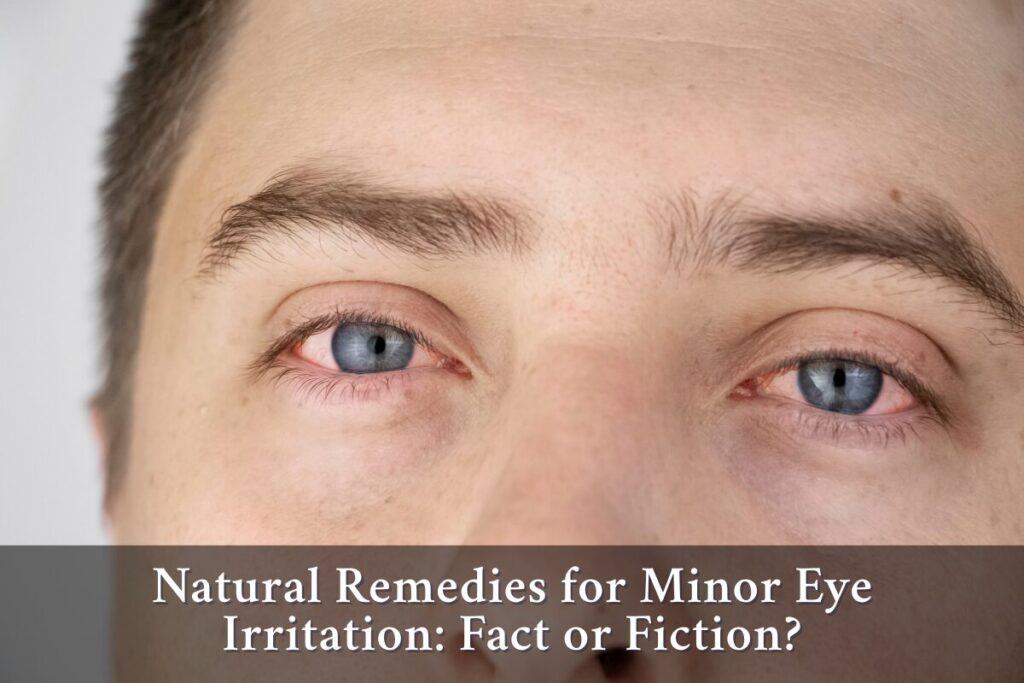
Fact from Fiction for Minor Irritation
Uncategorized

Soothing Sore Eyes Naturally? Separating Fact from Fiction for Minor Irritation

Experiencing minor eye irritation, such as slight redness, itching, or a gritty feeling, is a common occurrence. In India, with its diverse climate and potential for exposure to dust and pollutants, these minor annoyances can be frequent. When faced with such discomfort, many people turn to natural or home remedies seeking relief. But are these natural approaches truly effective and safe, or are they merely old wives’ tales? Let’s explore some common natural remedies for minor eye irritation and separate fact from fiction. When our eyes feel a little off, the idea of using gentle, natural solutions can be appealing. However, it’s important to approach these remedies with caution and a discerning eye (pun intended!). Common Natural Remedies for Minor Eye Irritation: Examining the Claims: Here’s a look at some popular natural remedies and the evidence (or lack thereof) behind them: Warm Compresses: The Claim: Applying a warm compress to the eyes can soothe irritation, relieve dryness, and help with conditions like styes by encouraging drainage. The Verdict: Fact. Warm compresses are generally considered a safe and effective way to relieve symptoms of dry eyes, blepharitis (eyelid inflammation), and early-stage styes. The warmth can increase blood flow, relax muscles, and promote the release of oils from the eyelids. Use a clean cloth soaked in warm (not hot) water and apply it gently to closed eyelids for a few minutes several times a day. Cold Compresses: The Claim: Cold compresses can help reduce swelling, redness, and itching associated with allergies or minor inflammation. The Verdict: Fact. Cold compresses can be beneficial for alleviating symptoms of eye allergies, minor eye injuries (like a mild bump), and puffiness around the eyes. The cold constricts blood vessels, reducing swelling and providing a soothing sensation. Use a clean cloth dampened with cool water or a cold pack wrapped in a cloth. Eyewashes with Plain Water or Saline Solution: The Claim: Rinsing the eyes with plain water or a homemade saline solution can help flush out irritants like dust or pollen. The Verdict: Mostly Fact, with Caveats. Rinsing with clean, lukewarm water or a sterile saline solution (available at pharmacies) can be effective for flushing out loose debris or mild irritants. However, homemade saline solutions carry a risk of contamination if not prepared with sterile water and the correct ratio of salt. Using tap water directly is generally not recommended as it can contain microorganisms that may cause infection. Sterile saline solution is the safer option. Tea Bags (Chamomile, Green Tea): The Claim: Placing cooled tea bags on closed eyelids can reduce puffiness, redness, and irritation due to their anti-inflammatory properties. The Verdict: Fiction (with potential mild soothing). While chamomile and green tea have some anti-inflammatory compounds, there’s limited scientific evidence to support their significant effectiveness for eye irritation. Additionally, tea bags are not sterile and can introduce bacteria to the eye area. Some individuals may also be allergic to chamomile. While a cooled tea bag might offer a mild soothing sensation due to the coolness and moisture, it’s not a recommended treatment for any significant eye issue. Rosewater: The Claim: Rosewater has soothing and anti-inflammatory properties that can help with eye irritation and redness. The Verdict: Limited Evidence. Rosewater has been used traditionally for various skin and eye ailments, and some studies suggest potential anti-inflammatory and antioxidant effects. However, scientific evidence specifically supporting its effectiveness and safety for treating eye irritation is limited. Ensure the rosewater is pure and sterile if you choose to use it, and discontinue use if any irritation occurs. Cucumber Slices: The Claim: Placing cool cucumber slices on the eyes can reduce puffiness and provide a soothing effect. The Verdict: Fiction (for treating irritation, fact for mild soothing). The coolness and moisture of cucumber slices can provide a temporary soothing sensation and may help with mild puffiness due to their water content. However, they don’t contain significant medicinal properties to treat underlying eye irritation and are not sterile. When Natural Remedies Aren’t Enough (and Can Be Harmful): It’s crucial to understand that natural remedies are generally intended for very minor, temporary irritation. You should absolutely consult an eye doctor if you experience any of the following: Significant eye pain Blurred vision or any changes in vision Sensitivity to light Thick or colored discharge Feeling like something is stuck in your eye that you can’t remove Redness that doesn’t improve or worsens Symptoms that persist for more than a day or two Using natural remedies for serious eye conditions can delay proper diagnosis and treatment, potentially leading to vision loss. Furthermore, some natural substances can actually irritate the eyes or introduce infection. The Bottom Line for India: While gentle approaches like warm and cold compresses and sterile saline rinses can offer relief for very minor eye irritation, it’s essential to be cautious about other natural remedies. In a diverse environment like India, where exposure to various irritants and potential infections is possible, it’s always best to err on the side of caution. If you experience persistent or worsening eye discomfort, don’t hesitate to seek professional advice from an eye doctor. Your vision is too precious to risk on unproven or potentially harmful remedies.

Soothing Sore Eyes Naturally? Separating Fact from Fiction for Minor Irritation Read Post »

Scroll to Top