Navigating a World with Limited Sight: Support and Resources in India
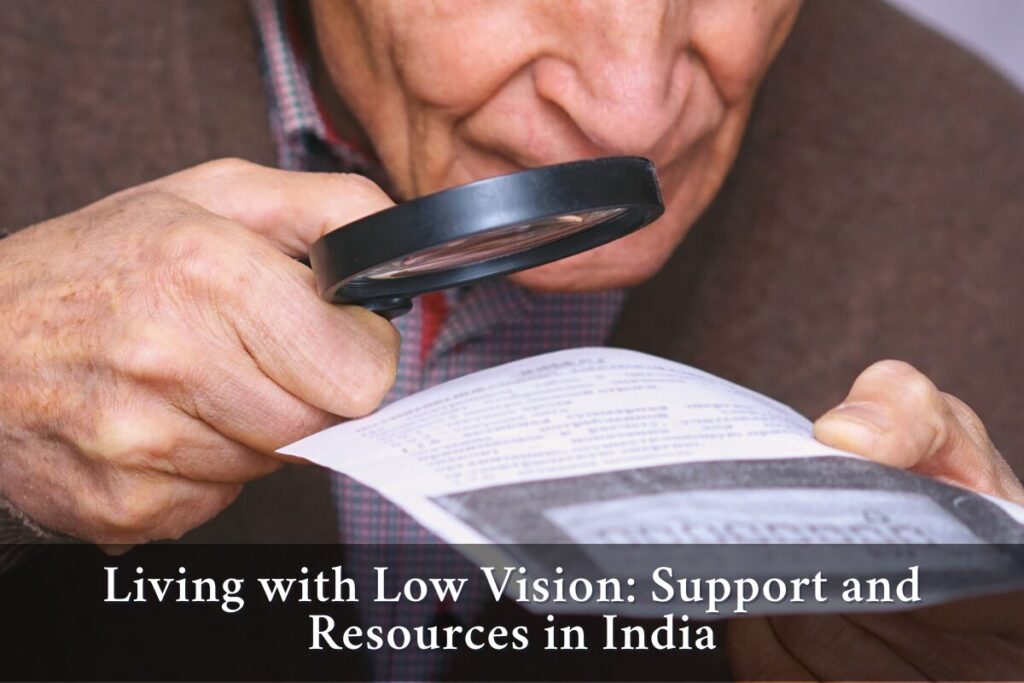
Experiencing low vision, a condition where vision loss significantly impacts daily activities even with the best possible correction like glasses or contact lenses, can present numerous challenges. In India, where a significant population lives with varying degrees of vision impairment, knowing about the available support systems and resources is crucial for individuals with low vision and their families to navigate their lives with greater independence and dignity. This blog post aims to highlight some of the key areas of support and resources available in India for those living with low vision. Low vision is more than just needing stronger glasses; it’s a level of vision impairment that makes everyday tasks difficult. Fortunately, in India, a growing network of support and resources is available to help individuals adapt and thrive. Understanding the Challenges of Living with Low Vision: Low vision can affect various aspects of daily life, including: Reading and Writing: Difficulty with standard print can make reading books, newspapers, and important documents challenging. Mobility and Navigation: Navigating unfamiliar environments and avoiding obstacles can become difficult, impacting independence. Recognizing Faces: Identifying people, especially at a distance, can be a struggle. Performing Household Tasks: Activities like cooking, cleaning, and managing finances can become more complex. Using Technology: Interacting with computers, smartphones, and other digital devices may require adaptations. Social Participation: Vision limitations can sometimes lead to social isolation. Key Areas of Support and Resources in India: Fortunately, a range of support systems and resources are available in India to assist individuals living with low vision: Low Vision Clinics and Rehabilitation Centers: Many major cities and some smaller towns in India have specialized low vision clinics and rehabilitation centers. These centers offer comprehensive assessments to understand the extent of vision loss and provide tailored rehabilitation programs. These programs often include training in using low vision aids, orientation and mobility skills, and strategies for adapting daily tasks. Low Vision Aids: A variety of optical and non-optical aids can help maximize remaining vision. These include: Optical Aids: Magnifying glasses (handheld, stand, and electronic), telescopes, and specialized lenses. Non-Optical Aids: Large-print books and newspapers, talking devices (clocks, calculators), high-contrast materials, and task lighting. Orientation and Mobility Training: This specialized training helps individuals with low vision learn to navigate their environment safely and independently using techniques like cane travel and utilizing remaining vision effectively. Assistive Technology: Technological advancements offer numerous tools for people with low vision, including: Screen Magnifiers: Software that enlarges text and images on computer screens. Screen Readers: Software that converts text on a computer screen into synthesized speech. Voice Recognition Software: Allows users to control computers and other devices using voice commands. Braille Displays and Embossers: For individuals who are also blind or have very low vision. Accessible Mobile Apps: Many apps offer features like text-to-speech, voice navigation, and screen magnification. Educational Support: For children with low vision, specialized schools and inclusive education programs provide adapted learning materials, assistive technology, and support from trained educators. Vocational Rehabilitation: These programs help individuals with low vision acquire skills and find employment opportunities. Support Groups and Peer Networks: Connecting with others who have similar experiences can provide emotional support, practical advice, and a sense of community. 1 Various organizations and online forums in India facilitate these connections. Government Schemes and Concessions: The Indian government offers certain schemes and concessions for persons with disabilities, including those with low vision, such as disability certificates, travel concessions, and access to aids and appliances. It’s important to be aware of and avail these benefits. Organizations Working for the Visually Impaired: Numerous non-governmental organizations (NGOs) across India are dedicated to supporting individuals with visual impairments, including those with low vision. They often provide training, resources, advocacy, and community support. Accessing Support and Resources in India: Finding the right support and resources can sometimes require effort. Here are some ways to start: Consult Your Eye Doctor: Your ophthalmologist can provide information about low vision clinics and rehabilitation centers in your area. Reach Out to Disability Organizations: Connect with national and local organizations working for the visually impaired. They can offer guidance and information about available resources. Search Online: Use relevant keywords to search for low vision clinics, support groups, and assistive technology providers in India. Connect with Peer Support Networks: Online forums and support groups can be valuable sources of information and personal experiences. Empowering Lives with Low Vision in India: Living with low vision presents challenges, but with the right support and resources, individuals can lead fulfilling and independent lives. By raising awareness about the available assistance in India and making these resources more accessible, we can empower those with low vision to navigate their world with greater confidence and participate fully in society. If you or someone you know is living with low vision, remember that help is available – reach out and explore the possibilities.
Navigating a World with Limited Sight: Support and Resources in India Read Post »