📞 +91 92057 75009

✉ swastikeyeandhealthcare@gmail.com

drmabehara

Use on Eye Dryness
Uncategorized

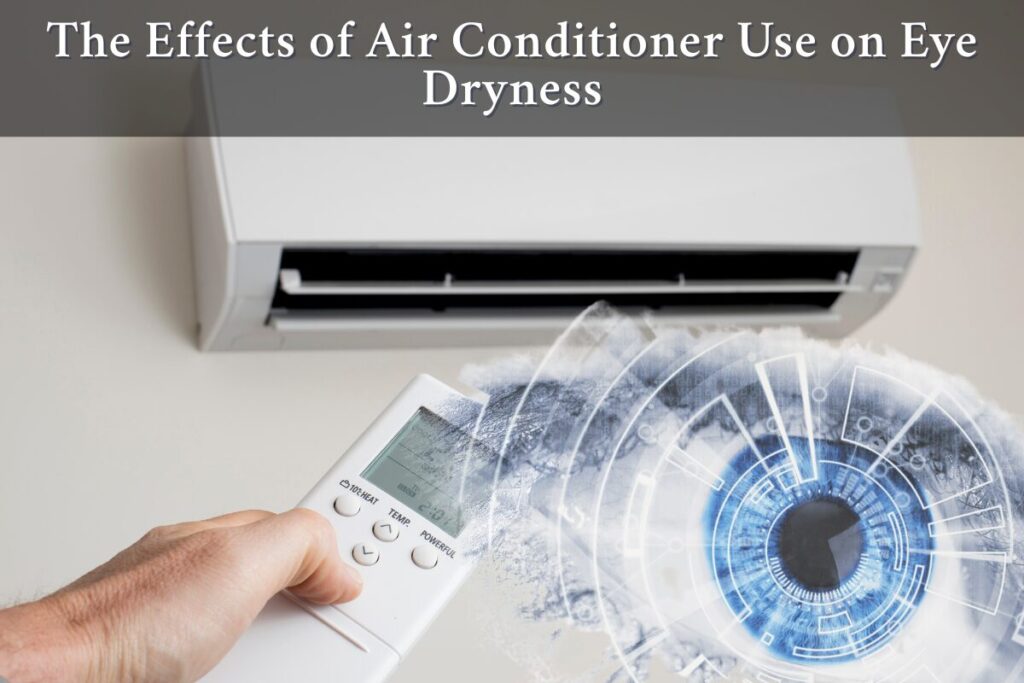
AC and Your Eyes: Understanding How Air Conditioning Can Cause Dryness

In many parts of India, especially during the hot and humid months, air conditioning (AC) offers a welcome respite. However, while it keeps us cool and comfortable, prolonged exposure to air-conditioned environments can have an unintended consequence: dry eyes. Understanding how AC affects our eyes and taking steps to mitigate this dryness is important for maintaining eye comfort and health, particularly for those who spend significant time in air-conditioned spaces. The relief that air conditioning provides from the heat often comes at a cost to the moisture levels in the air around us, and this can directly impact the delicate tear film that keeps our eyes lubricated. How Air Conditioning Contributes to Dry Eyes: The way air conditioning systems work can lead to increased eye dryness: Reduced Humidity: AC units work by cooling and dehumidifying the air. This means they remove moisture from the environment, creating a drier atmosphere. When the surrounding air has low humidity, the tears on the surface of our eyes evaporate more quickly than they are replenished. Direct Airflow: Often, the vents of air conditioners direct airflow towards our faces and bodies. This direct stream of cool, dry air can further accelerate the evaporation of tears, leading to dryness and discomfort. Decreased Blinking: Studies have shown that people tend to blink less frequently when they are focused on tasks, such as working on a computer. In a cool, comfortable air-conditioned environment, we might be more inclined to engage in prolonged focused activities, further reducing our blink rate and exacerbating dryness. The Symptoms of AC-Related Dry Eyes: If you spend a lot of time in air-conditioned spaces, you might experience some of these symptoms: Dryness: A scratchy, sandy, or burning sensation in the eyes. Redness: The eyes may appear bloodshot or irritated. Gritty Feeling: A persistent feeling that something is in your eye. Blurred Vision: Dryness can sometimes lead to temporary blurred vision. Excessive Tearing: Paradoxically, dry eyes can sometimes trigger the production of more tears as the eye tries to compensate for the lack of lubrication. Eye Fatigue: Your eyes may feel tired or heavy. Increased Sensitivity to Light: Bright lights might become more uncomfortable. Strategies to Combat AC-Induced Dry Eyes: Fortunately, there are several steps you can take to minimize the drying effects of air conditioning on your eyes: Use Artificial Tears Regularly: Lubricating eye drops, or artificial tears, are the first line of defense against dry eyes. Keep a bottle handy and use them frequently throughout the day, especially when you are in air-conditioned environments. Opt for preservative-free options if you need to use them more than a few times a day. Increase Humidity: If possible, use a humidifier in your home or office to add moisture back into the air and counteract the drying effect of the AC. Direct Airflow Away From Your Face: Adjust the vents of your air conditioner so that the cool air is not blowing directly into your eyes. Take Regular Breaks and Blink Consciously: If you are working on a computer or engaged in other focused tasks in an air-conditioned room, make a conscious effort to blink more frequently. Remind yourself to blink fully and regularly. Also, take short breaks using the 20-20-20 rule. Stay Hydrated: Drinking plenty of water helps keep your whole body hydrated, which can also contribute to better tear production. Consider Computer Glasses: If you spend long hours working on a computer, specialized computer glasses might help reduce eye strain and dryness. Warm Compresses: Applying warm compresses to your closed eyelids for a few minutes can stimulate oil glands in the eyelids, which help stabilize the tear film. Proper Ventilation: Ensure there is some level of ventilation in the air-conditioned space to prevent the air from becoming excessively dry. Consult an Eye Doctor: If your dry eye symptoms are severe or persistent despite trying these remedies, consult an ophthalmologist. They can assess the underlying cause and recommend more specific treatments. Maintaining Eye Comfort in Air-Conditioned Environments in India: Given the widespread use of air conditioning in India, especially in urban areas and during warmer months, understanding its potential impact on eye dryness is crucial. By being proactive and implementing these simple strategies, you can minimize discomfort and maintain healthy, comfortable eyes even when spending extended periods in air-conditioned spaces. Make eye care a part of your routine, especially when relying on AC for relief from the heat.

AC and Your Eyes: Understanding How Air Conditioning Can Cause Dryness Read Post »
Hormonal Changes and Your Vision
Uncategorized

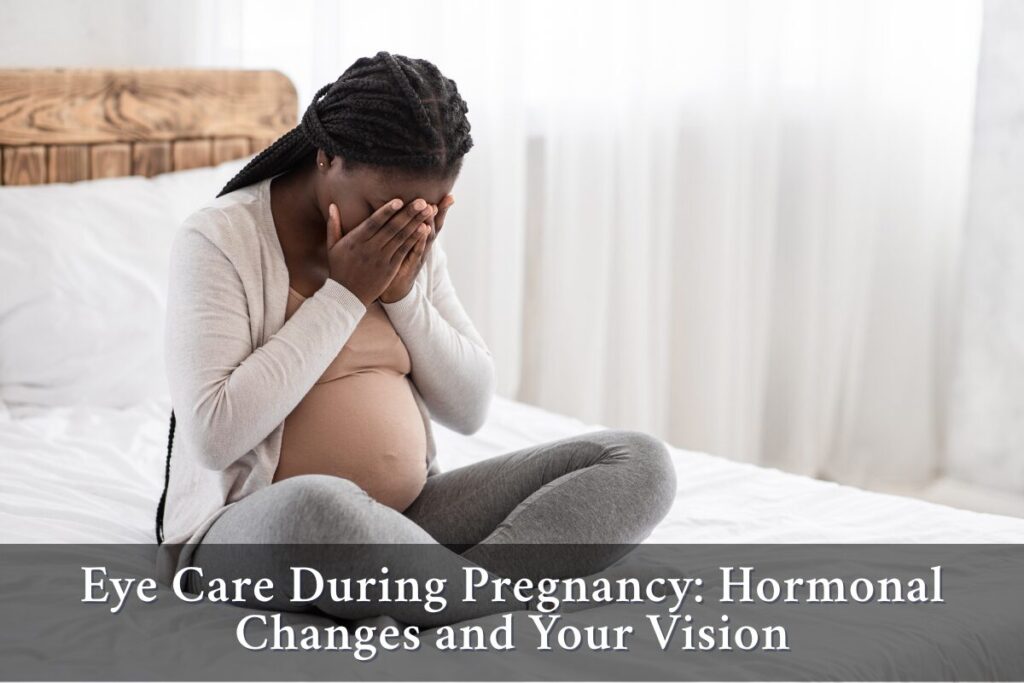
Pregnancy and Your Eyes: Understanding Hormonal Shifts and Vision Changes

Pregnancy is a transformative period for a woman’s body, marked by significant hormonal fluctuations that can affect various systems, including vision. While many of these changes are temporary and resolve after childbirth, understanding the potential impact of pregnancy on eye health is important for expectant mothers in India to ensure their comfort and seek appropriate care if needed. This blog post explores the common eye-related changes that can occur during pregnancy due to hormonal shifts. The amazing journey of pregnancy brings about a cascade of hormonal changes that prepare the body for carrying and nurturing a new life. These hormones can also have surprising effects on our vision. Common Eye Changes During Pregnancy: Several temporary vision changes can occur during pregnancy due to hormonal fluctuations and fluid retention: Dry Eyes: Hormonal shifts can reduce tear production, leading to dry, itchy, and uncomfortable eyes. This is a common complaint during pregnancy. Blurred Vision: Hormonal changes can affect the shape and thickness of the cornea, the clear front surface of the eye, leading to temporary blurred vision or fluctuations in refractive error (the need for glasses or contact lenses). This blurring is usually mild and resolves after delivery. Changes in Contact Lens Tolerance: Some pregnant women find their contact lenses become less comfortable due to changes in corneal shape and tear production. They may experience dryness, irritation, or blurred vision while wearing their lenses. Increased Light Sensitivity: Some expectant mothers may become more sensitive to light (photophobia) during pregnancy. Preeclampsia-Related Vision Changes: Preeclampsia, a serious pregnancy complication characterized by high blood pressure and protein in the urine, can cause more significant vision changes, including blurred vision, seeing spots or flashing lights (scotoma), or even temporary vision loss. These symptoms require immediate medical attention. The Role of Hormones and Fluid Retention: The primary drivers behind these vision changes are the significant hormonal shifts, particularly increases in estrogen and progesterone, and fluid retention, which can affect various tissues in the body, including the eyes. Managing Eye Discomfort During Pregnancy: While most pregnancy-related vision changes are temporary, there are ways to manage discomfort: For Dry Eyes: Use preservative-free artificial tears frequently to lubricate the eyes. Consider Glasses: If contact lenses become uncomfortable, switching to glasses temporarily can provide relief. Ensure your eyeglass prescription is current, but be aware that significant changes during pregnancy may be temporary. Reduce Screen Time: Prolonged screen use can exacerbate dry eye symptoms. Take frequent breaks and practice the 20-20-20 rule. Stay Hydrated: Drinking plenty of water can help with overall hydration, including tear production. Ensure Adequate Sleep: Getting enough rest can help reduce eye strain and fatigue. Manage Light Sensitivity: Wear sunglasses when outdoors or in brightly lit environments. When to Seek Medical Advice: While most eye changes during pregnancy are normal and temporary, certain symptoms warrant immediate medical attention: Sudden or severe vision changes: This could indicate preeclampsia or another serious condition. Persistent headaches accompanied by vision changes: This could also be a sign of preeclampsia. Seeing spots or flashing lights (scotoma): This requires prompt evaluation, especially if you have high blood pressure. Eye pain that is severe or persistent. It’s crucial for pregnant women in India to communicate any significant or concerning vision changes to their obstetrician or a qualified eye doctor. Postpartum Recovery: In most cases, pregnancy-related vision changes gradually resolve within weeks or months after childbirth as hormone levels return to normal and fluid retention decreases. If vision problems persist after delivery, a comprehensive eye exam is recommended. Taking Care of Your Eyes During This Special Time: Pregnancy is a unique and wonderful experience, and being aware of potential eye changes is part of taking good care of yourself and your baby. By understanding the common temporary effects and knowing when to seek professional help, expectant mothers in India can navigate this period with greater comfort and ensure the health of their vision. Don’t hesitate to discuss any concerns you have about your eyes with your healthcare providers during your pregnancy

Pregnancy and Your Eyes: Understanding Hormonal Shifts and Vision Changes Read Post »

Scroll to Top