Level Up Your Eye Care: Essential Tips for Indian Gamers
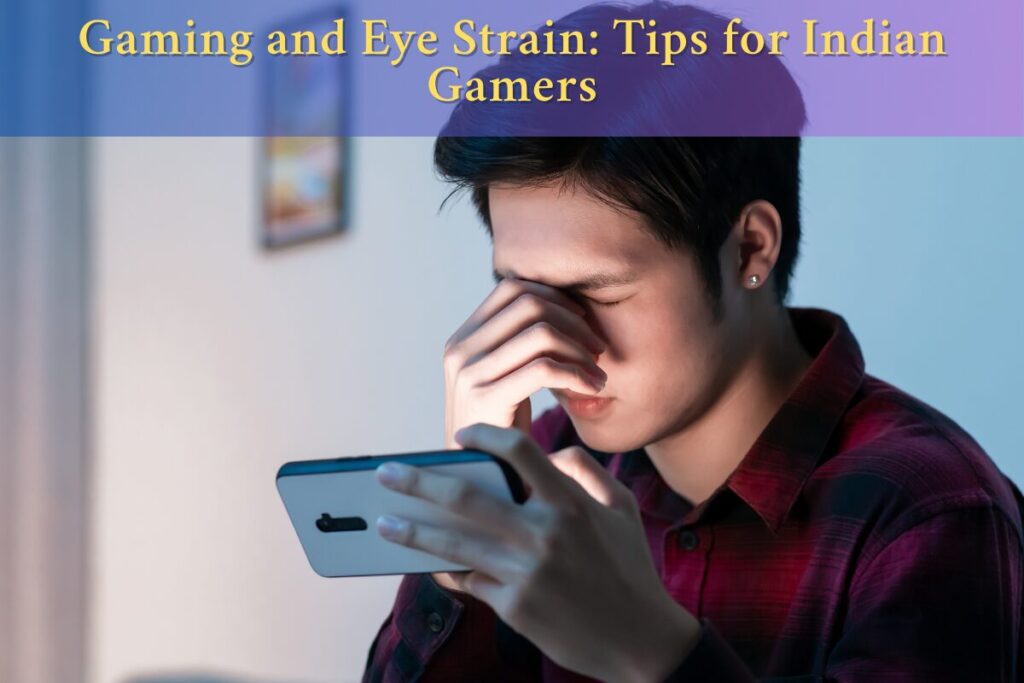
Gaming, whether on consoles, PCs, or mobile devices, has become a significant part of leisure and even a professional pursuit for millions in India. While the immersive worlds and thrilling challenges offer endless entertainment, the intense focus and extended screen time can take a toll on our eyes. Many Indian gamers, from casual players to esports enthusiasts, are experiencing symptoms of digital eye strain. Understanding these effects and adopting proactive eye care habits is essential for maintaining both vision health and gaming performance in 2025 and beyond. Our eyes are working overtime when we game. They constantly track fast-moving objects, process intricate details, and adapt to varying light conditions. This sustained visual effort, combined with reduced blinking, often leads to discomfort. The “Gamer’s Eye Strain” – What’s Happening? Prolonged gaming can lead to a cluster of symptoms often referred to as Computer Vision Syndrome (CVS) or Digital Eye Strain. For gamers, these include: Dry Eyes: When we’re absorbed in a game, our blink rate significantly drops (sometimes by 50% or more!). Blinking is crucial for spreading tears across the eye surface, keeping them moist. Reduced blinking leads to dryness, irritation, and a gritty sensation. Eye Fatigue and Strain: The constant focusing and refocusing on a dynamic screen can overwork the eye muscles, leading to a feeling of tiredness, soreness, and even pain in or around the eyes. Blurred Vision: Temporary blurriness, especially when shifting focus from the screen to distant objects, is a common symptom of eye strain, often due to “accommodation spasm” where eye muscles remain locked in near focus. Headaches: Eye strain can often manifest as headaches, particularly around the temples or forehead. Increased Light Sensitivity: Eyes that are already strained might become more sensitive to bright lights. Neck and Shoulder Pain: Poor posture while gaming, often stemming from leaning into the screen to see better, can contribute to discomfort in the neck and shoulders, alongside eye strain. Myopia Progression: For children and teenagers, excessive screen time and close-up focus can accelerate the progression of nearsightedness (myopia), leading to a need for stronger glasses earlier. Smart Strategies for Healthy Gaming: Tips for Indian Gamers: Don’t let eye strain compromise your game or your long-term vision. Here are practical tips to keep your eyes healthy: Embrace the “20-20-20 Rule”: This is perhaps the most crucial tip. Every 20 minutes, take a 20-second break to look at something at least 20 feet (about 6 meters) away. This allows your eye muscles to relax and encourages more frequent blinking. You can set a timer or take breaks during loading screens or between matches. Optimize Your Gaming Environment: Lighting: Avoid gaming in a completely dark room or one with very bright overhead lights directly reflecting on your screen. Aim for ambient lighting that is similar to your screen’s brightness. Consider bias lighting behind your monitor to reduce contrast. Screen Position: Position your monitor directly in front of you, about an arm’s length (20-30 inches) away. The top of the screen should be at or just below eye level. Reduce Glare: Minimize glare from windows or lights by closing blinds or curtains, or using anti-glare screen filters. Keep your screen clean to avoid smudges that can reduce clarity and increase glare. Adjust Screen Settings: Brightness and Contrast: Adjust your screen’s brightness to match the room’s lighting. The contrast should be comfortable for your eyes, typically around 60-70%. Text Size: If you’re reading text within a game, enlarge the font size if possible for easier viewing. Blue Light Filters: Many monitors and devices now have built-in blue light filters or “night modes.” While the scientific evidence on blue light’s direct harm to eyes is still developing, reducing blue light exposure, especially in the evenings, can help with sleep patterns. Some gamers find blue light filtering glasses helpful, but more research is needed on their effectiveness for eye strain. Conscious Blinking and Hydration: Make a deliberate effort to blink fully and frequently while gaming. Staying well-hydrated by drinking plenty of water also contributes to overall tear production. Use Artificial Tears (Eye Drops): If you experience persistent dryness, non-preservative artificial tears can provide quick relief and keep your eyes lubricated. Keep a bottle near your gaming setup. Avoid eye drops that claim to “get the red out,” as these can worsen dry eye symptoms with prolonged use. Take Movement Breaks: Don’t just rest your eyes; rest your body too. Get up, stretch your neck, shoulders, and back regularly to prevent muscle stiffness and improve circulation. Consider Ergonomics: A comfortable chair, adjustable desk, and monitor stand can help you maintain good posture, reducing strain on your neck, shoulders, and indirectly, your eyes. Regular Eye Check-ups: Even if you feel your vision is fine, regular comprehensive eye exams with an ophthalmologist or optometrist are crucial. They can detect subtle changes, address underlying vision problems (like uncorrected refractive errors), and provide personalized advice for your gaming habits. This is especially important for young gamers as myopia progression is a growing concern. By incorporating these simple yet effective practices into your gaming routine, Indian gamers can enjoy their passion for competitive play and immersive storytelling without sacrificing their eye health. Remember, taking care of your eyes means you can keep leveling up for years to come!
Level Up Your Eye Care: Essential Tips for Indian Gamers Read Post »