๐Ÿ“ž +91 92057 75009

โœ‰ swastikeyeandhealthcare@gmail.com

drmabehara

Elderly Early Onset in India
Uncategorized

Cloudy Vision Earlier Than Expected: Understanding Early Cataracts in India

When we think of cataracts, the image that often comes to mind is that of an older person experiencing cloudy vision. While it’s true that cataracts are a common age-related condition, it’s important to understand that in India, around 2025, cataracts are increasingly being diagnosed in younger individuals as well. This early onset of cataracts can significantly impact their quality of life and productivity, highlighting the need for greater awareness and understanding of this condition beyond just the elderly population. A cataract is essentially a clouding of the natural lens inside your eye. This lens, located behind the iris and pupil, works like a camera lens, focusing light onto the retina at the back of the eye to produce clear images. When the lens becomes cloudy, it prevents light from passing through easily, resulting in blurred, hazy, or less vibrant vision. Why Are Cataracts Appearing Earlier in India? Several factors are believed to contribute to the earlier development of cataracts in some individuals in India compared to global averages: Increased Exposure to Ultraviolet (UV) Radiation: India experiences significant amounts of sunlight throughout the year. Prolonged and unprotected exposure to UV radiation from the sun is a well-established risk factor for cataract development, and this cumulative exposure over time can lead to earlier onset. Diabetes Prevalence: As discussed in a previous post, India has a high burden of diabetes. Diabetes can damage blood vessels in the eyes and is also linked to an increased risk and earlier development of cataracts. Lifestyle and Dietary Factors: Some research suggests that certain dietary deficiencies or lifestyle habits might play a role in the early formation of cataracts. However, more comprehensive studies are needed in this area. Environmental Factors and Pollution: Exposure to certain environmental pollutants and toxins may contribute to oxidative stress in the eye, potentially accelerating lens clouding. Genetic Predisposition: Family history can play a role in the likelihood of developing cataracts, and certain genetic factors within the Indian population might contribute to earlier onset in some individuals. Chronic Steroid Use: Prolonged use of steroid medications, whether oral or in eye drop form (sometimes used without proper medical supervision), is a known risk factor for cataract development. Recognizing the Signs of Early Cataracts: The symptoms of early cataracts can be subtle and may develop gradually. It’s important to be aware of potential changes in your vision, even if you are not in the typical age range for cataract development. Common signs include: Cloudy or Blurred Vision: This is the most common symptom, making things appear hazy or out of focus. Increased Sensitivity to Light and Glare: Bright lights, especially headlights at night, may cause discomfort and glare. Difficulty Seeing at Night: Night vision may become poorer, making it harder to drive or navigate in low light conditions. Double Vision in One Eye: Seeing a double image when looking with only one eye open can be a sign of a cataract. Frequent Changes in Eyeglass or Contact Lens Prescription: Your vision may change more often than usual. Fading or Yellowing of Colors: Colors may appear less vibrant or have a yellowish tint. Seeing Halos Around Lights: You might notice rings or halos around light sources. Why Early Detection Matters: While cataracts generally progress slowly, early detection is important for several reasons: Managing Vision Changes: Recognizing the symptoms early allows individuals to take steps to manage their vision, such as updating their eyewear or adjusting their activities to compensate for any visual difficulties. Planning for Future Treatment: Knowing about the cataract early allows for informed discussions with an ophthalmologist about treatment options and timing. Ruling Out Other Eye Conditions: Vision changes can also be a sign of other eye problems. Early examination can help rule out more serious conditions. Maintaining Quality of Life: Addressing vision problems early can help individuals maintain their independence, continue working, and enjoy their hobbies and daily activities without significant visual limitations. Treatment Options for Early Cataracts: In the early stages, vision changes from cataracts may be managed with stronger eyeglasses, anti-glare coatings, or brighter lighting. However, as the cataract progresses and significantly impacts vision, surgery is the most effective treatment. Cataract surgery involves removing the cloudy natural lens and replacing it with a clear artificial lens called an intraocular lens (IOL). Modern cataract surgery is generally a safe and effective outpatient procedure with a high success rate in restoring clear vision. Beyond Age: Prioritizing Eye Health at All Ages in India: The increasing prevalence of early-onset cataracts in India underscores the importance of prioritizing eye health at all ages. Regular eye examinations are crucial, even for younger adults, to detect any vision changes early. Protecting your eyes from excessive UV exposure by wearing sunglasses and a wide-brimmed hat, managing underlying health conditions like diabetes, and being aware of potential risk factors can all play a role in maintaining healthy vision for longer. Cataracts aren’t just a concern for the elderly anymore. By understanding the risk factors and recognizing the early signs, individuals in India can take proactive steps to protect their vision and seek timely intervention when needed, ensuring a clearer and brighter future, regardless of age.

Cloudy Vision Earlier Than Expected: Understanding Early Cataracts in India Read Post ยป

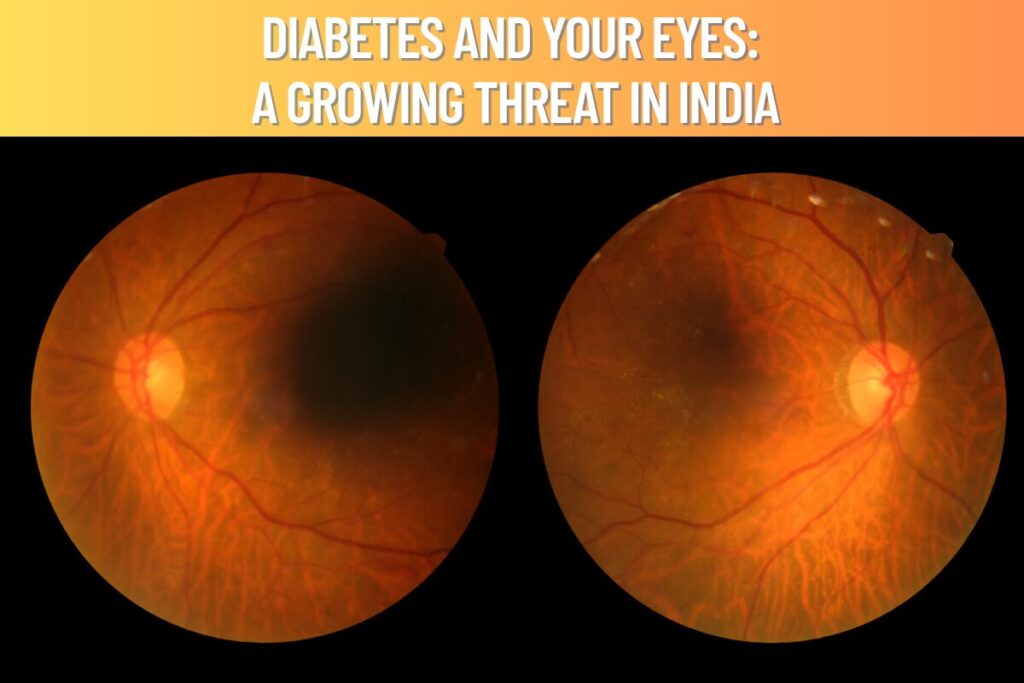
A Growing Threat in India
Uncategorized

Diabetes and Eye Health: An Increasing Concern in India

In India’s evolving health landscape around 2025, the increasing prevalence of diabetes presents a significant challenge that extends beyond blood sugar control. One of the often-overlooked yet serious complications of diabetes is its impact on vision. For many individuals living with diabetes in India, their eyes are facing a growing threat that can lead to significant vision impairment and even blindness if not properly managed. Diabetes, a chronic condition characterized by high blood sugar levels, can damage blood vessels throughout the body. The delicate blood vessels in the retina, the light-sensitive tissue at the back of the eye, are particularly vulnerable. Over time, this damage can lead to a range of eye problems collectively known as diabetic retinopathy. Understanding Diabetic Retinopathy: A Major Concern Diabetic retinopathy is the most common eye complication of diabetes and a leading cause of blindness worldwide. It develops over several stages: Non-proliferative Diabetic Retinopathy (NPDR): In the early stages, the blood vessels in the retina may weaken and leak small amounts of fluid or blood. Tiny bulges called microaneurysms may also appear. At this stage, vision may not be significantly affected. Pre-proliferative Diabetic Retinopathy: As the condition progresses, more blood vessels may become blocked, depriving parts of the retina of oxygen. Proliferative Diabetic Retinopathy (PDR): This is the advanced stage where the retina responds to the lack of oxygen by growing new, abnormal blood vessels. These new vessels are fragile and prone to leaking and bleeding, which can lead to scar tissue formation, retinal detachment, and severe vision loss. Diabetic Macular Edema (DME): Swelling in the macula, the central part of the retina responsible for sharp, detailed vision, can occur at any stage of diabetic retinopathy. DME can cause significant blurring of central vision. Why is This a Growing Threat in India? Several factors contribute to the increasing concern about diabetes and eye health in India around 2025: Rising Diabetes Rates: India has a large and growing population of individuals with diabetes, making it a significant public health issue. Delayed Diagnosis and Management: Many people with diabetes in India may not be diagnosed early or may not have consistent access to the specialized care needed to manage their condition effectively, including regular eye exams. Lack of Awareness: There may be a lack of widespread awareness among individuals with diabetes about the potential risks to their vision and the importance of regular eye screenings. Access to Eye Care: In some regions of India, particularly rural areas, access to ophthalmologists and specialized eye care facilities may be limited. Lifestyle Factors: Dietary habits and lifestyle choices that contribute to diabetes can also impact the progression of its complications, including retinopathy. Protecting Your Vision: Proactive Steps for Individuals with Diabetes The good news is that with diligent management and regular eye care, the risk of vision loss from diabetic retinopathy can be significantly reduced. Here are crucial steps for individuals with diabetes in India: Strict Blood Sugar Control: Maintaining blood glucose levels within the target range recommended by your doctor is the most important factor in preventing or slowing the progression of diabetic retinopathy. Regular HbA1c Checks: This blood test provides an average of your blood sugar levels over the past 2-3 months and helps assess how well your diabetes is being managed. Manage Blood Pressure and Cholesterol: High blood pressure and cholesterol can also damage blood vessels in the eyes, so it’s important to keep these under control. Annual Comprehensive Eye Exams: Individuals with diabetes should have a comprehensive eye exam with an ophthalmologist at least once a year, even if they don’t notice any vision problems. These exams include pupil dilation to allow the doctor to see the retina clearly and check for any signs of damage. Report Vision Changes Immediately: Don’t wait for your annual exam if you experience any changes in your vision, such as blurred vision, floaters, dark spots, or difficulty seeing at night. Seek immediate attention from your eye doctor. Understand Treatment Options: If diabetic retinopathy is detected, various treatments are available to help prevent or slow vision loss, including: Laser Surgery: Can help seal leaking blood vessels or shrink abnormal new blood vessels. Injections: Medications injected into the eye can help reduce swelling (for diabetic macular edema) and block the growth of new blood vessels. Vitrectomy: A surgical procedure to remove blood and scar tissue from the vitreous (the gel-like substance that fills the eye). Educate Yourself and Your Family: Understanding the risks of diabetic retinopathy and the importance of regular eye care can empower you to take proactive steps to protect your vision. A Call to Action for Eye Health in Diabetes Management: For individuals living with diabetes in India, prioritizing eye health is just as crucial as managing blood sugar levels. Regular eye screenings are not a luxury but a necessity for preserving vision and preventing potential blindness. By increasing awareness, improving access to eye care, and empowering individuals with the knowledge to take proactive steps, we can work towards reducing the growing threat of diabetes to vision in India. Don’t let diabetes silently steal your sight โ€“ make regular eye exams a vital part of your diabetes management plan.

Diabetes and Eye Health: An Increasing Concern in India Read Post ยป

Scroll to Top