๐Ÿ“ž +91 92057 75009

โœ‰ swastikeyeandhealthcare@gmail.com

drmabehara

Allergy Sufferers (circa 2025)
Uncategorized

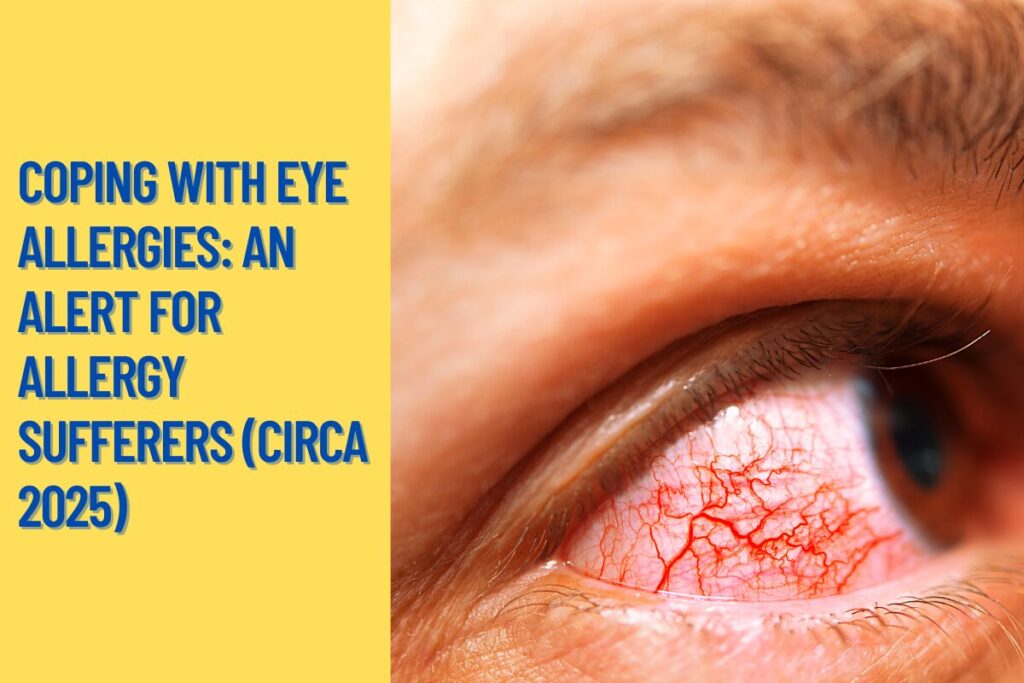
Coping with Eye Allergies: An Alert for Allergy Sufferers (circa 2025)

For many individuals, particularly as seasons change or in environments with specific triggers, itchy, watery, and red eyes become an unwelcome reality. These are often the telltale signs of eye allergies, also known as allergic conjunctivitis. While not usually a serious threat to vision, eye allergies can be incredibly bothersome and significantly impact daily comfort. This blog post aims to provide an alert for allergy sufferers and offer strategies for navigating and surviving the discomfort of eye allergies. Eye allergies occur when your eyes react to substances known as allergens. These allergens, which are typically harmless to most people, trigger the release of histamine and other chemicals in the body, leading to inflammation and a range of uncomfortable symptoms in the eyes. Common Culprits Behind Eye Allergies: Several airborne particles can act as allergens, leading to eye allergy symptoms: Pollen: Released by trees, grasses, and weeds, pollen is a major seasonal trigger for many allergy sufferers. Dust Mites: Tiny creatures found in household dust can cause year-round allergies for some individuals. Pet Dander: Shed skin and hair from pets like cats and dogs contain proteins that can trigger allergic reactions. Mold Spores: Found in damp environments, mold spores can become airborne and cause allergic responses. Air Pollution: While not a direct allergen, pollutants in the air can irritate the eyes and worsen allergy symptoms. Cosmetics and Irritants: Certain makeup products, soaps, or even contact lens solutions can sometimes trigger allergic reactions in the eyes. Recognizing the Signs of Eye Allergies: The symptoms of eye allergies can vary in intensity but often include: Itchiness: This is a hallmark symptom of eye allergies and can range from mild to intense. Redness: The eyes may appear bloodshot due to inflammation of the conjunctiva. Watery Discharge: Excessive tearing is a common response to allergens. Burning Sensation: The eyes may feel hot or irritated. Swollen Eyelids: The eyelids can become puffy or swollen. Gritty Feeling: You might feel like there’s sand or something stuck in your eye. Sensitivity to Light (Photophobia): Bright lights can become uncomfortable. Strategies for Surviving Eye Allergies: While completely avoiding allergens can be challenging, especially airborne ones, several strategies can help manage and alleviate eye allergy symptoms: Limit Exposure to Known Allergens: Stay Indoors: During peak pollen seasons or on high pollution days, try to stay indoors with windows and doors closed. Use Air Purifiers: Air purifiers with HEPA filters can help remove airborne allergens from indoor environments. Wash Bedding Regularly: Wash your sheets, pillowcases, and blankets frequently in hot water to get rid of dust mites and pet dander. Avoid Touching Your Eyes: Rubbing your eyes can release more histamine and worsen symptoms. Over-the-Counter Remedies: Artificial Tears: These lubricating eye drops can help wash away allergens and soothe irritated eyes. Use them frequently. Antihistamine Eye Drops: These drops help block the action of histamine, reducing itching and redness. Decongestant Eye Drops: These drops can help reduce redness and swelling but should be used sparingly and for short periods as prolonged use can sometimes worsen symptoms. Prescription Medications: For more severe or persistent allergies, your doctor may prescribe: Prescription Antihistamine Eye Drops: Stronger versions of over-the-counter options. Mast Cell Stabilizer Eye Drops: These drops help prevent the release of histamine and are often used long-term. Corticosteroid Eye Drops: These are potent anti-inflammatory drops used for severe cases under strict medical supervision due to potential side effects. Oral Antihistamines: These can help with overall allergy symptoms, including itchy eyes, but can sometimes cause drowsiness. Cool Compresses: Applying cool compresses to your eyelids can help reduce swelling and soothe irritation. Good Hygiene Practices: Wash your hands frequently, especially after being outdoors or interacting with pets. Consider Allergy Testing: Identifying your specific allergens through allergy testing (skin prick test or blood test) can help you take more targeted avoidance measures. Talk to Your Doctor: If your eye allergy symptoms are severe, don’t improve with over-the-counter treatments, or interfere with your daily life, consult your doctor or an allergist. They can provide a proper diagnosis and recommend the most effective treatment plan for you. Living Comfortably Despite Allergies: While eye allergies can be a nuisance, understanding the triggers, recognizing the symptoms, and implementing appropriate management strategies can significantly improve your comfort and quality of life. By taking proactive steps and seeking professional advice when needed, you can effectively navigate the allergy season and enjoy clearer, more comfortable eyes. Don’t let allergies keep you from seeing the world clearly โ€“ take action to survive and thrive despite them!

Coping with Eye Allergies: An Alert for Allergy Sufferers (circa 2025) Read Post ยป

Decoding Common Eye Infections in India
Uncategorized

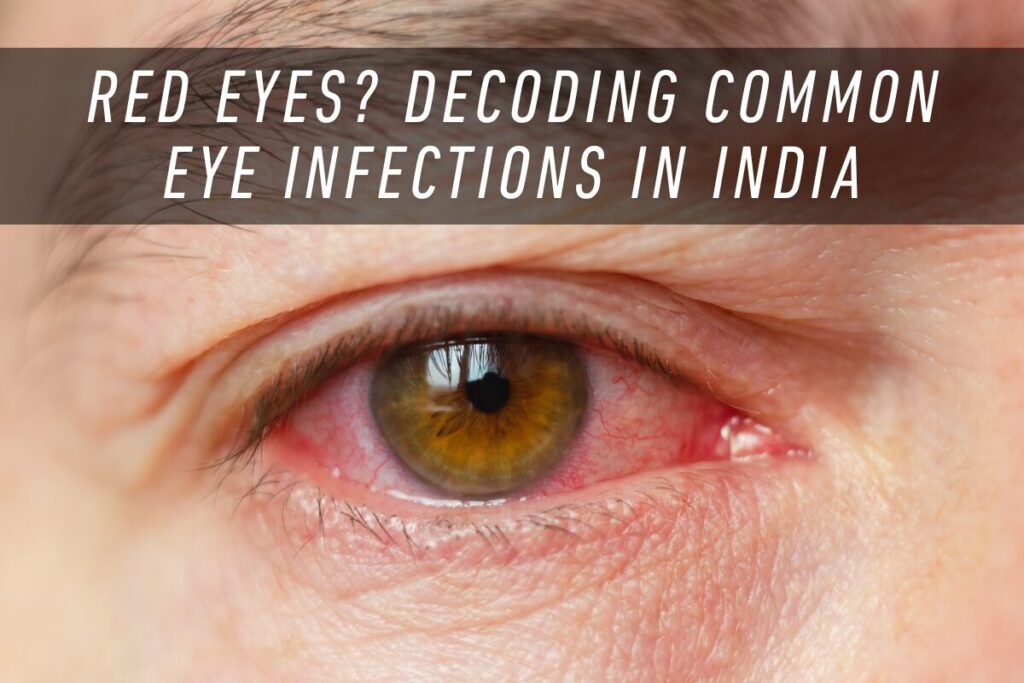
Understanding Red Eyes: Common Eye Infections in India (circa 2025)

Waking up with a bloodshot eye can be concerning. In India’s diverse climate and busy environments around 2025, red eyes are a frequent complaint, often indicating an underlying infection in the eye. While sometimes just a minor irritation, red eyes can also point to a more serious condition that needs prompt medical attention. Understanding the common causes of eye infections in India and knowing when to seek professional help is essential for maintaining healthy vision. Let’s break down some of the typical reasons behind those red eyes: 1. Inflammation of the Conjunctiva (Pinkeye): A Very Common Cause Inflammation of the conjunctiva, often called “pinkeye,” involves the thin, clear tissue that lines the inner surface of the eyelid and covers the white part of the eye. It’s a highly contagious condition and a frequent cause of red eyes in India, particularly among children. This inflammation can be triggered by: Viruses: Viral conjunctivitis often occurs alongside a common cold or other respiratory illnesses. It typically starts in one eye and can spread to the other. The discharge is usually watery. Bacteria: Bacterial conjunctivitis can be caused by various types of bacteria and often leads to a thicker discharge that is yellow or greenish, which can cause the eyelids to stick together, especially upon waking. Allergies: Allergic conjunctivitis is triggered by substances like pollen, dust mites, or animal dander. It usually affects both eyes and is accompanied by significant itching and a watery discharge. In India, changes in the seasons and air pollution can worsen allergic conjunctivitis. Typical Signs of Conjunctivitis: Redness in one or both eyes A feeling of something gritty in the eye Itchiness (especially with allergic conjunctivitis) A burning sensation Discharge that is watery or thick Crustiness around the eyelids Increased tearing Sensitivity to bright light (photophobia) 2. Open Sores on the Cornea (Corneal Ulcers): A Serious Threat to Sight A corneal ulcer is an open wound on the cornea, the clear front surface of the eye. These infections can be serious and, if not treated promptly, can lead to significant loss of vision and even blindness. Common causes in India include: Bacterial Infections: Often linked to improper care of contact lenses, wearing extended-wear lenses for too long or overnight, or using contaminated lens solutions. Viral Infections: The herpes simplex virus (the same one that causes cold sores) and the varicella-zoster virus (which causes chickenpox and shingles) can lead to corneal ulcers. Fungal Infections: Less common but can occur due to eye injury involving plant matter or improper contact lens use. Injury: Scratches or other damage to the cornea can become infected. Typical Signs of Corneal Ulcers: Significant pain in the eye Redness Blurred vision Sensitivity to light Excessive tearing A feeling that something is in your eye A white spot on the cornea (may be visible) 3. Eyelid Bumps (Styes): A Painful Occurrence A stye is a painful, red bump that develops on the edge of the eyelid. It’s usually caused by a bacterial infection of the oil glands at the base of the eyelashes. While it doesn’t directly affect the white of the eye, the surrounding inflammation can sometimes cause mild redness in the nearby conjunctiva. Typical Signs of a Stye: A red, swollen, and painful bump on the eyelid Tenderness when touched Crustiness around the eyelid A feeling that something is in your eye Sometimes, a small spot filled with pus is visible 4. Inflammation of the Eyelids (Blepharitis): A Chronic Issue Blepharitis is a long-term inflammation of the eyelids, often affecting the area where the eyelashes grow. While not always an acute infection, it can make the eyelids red, itchy, and irritated, and can sometimes be associated with an overgrowth of bacteria. Typical Signs of Blepharitis: Red, irritated eyelids An itchy or burning feeling Flaky skin around the eyelashes Crustiness or sticking together of the eyelashes, especially upon waking A feeling that something is in your eye Sometimes, more frequent styes Important Points to Consider for India Around 2025: Importance of Cleanliness: Practicing good hygiene, such as washing hands frequently and avoiding touching your eyes, is crucial in preventing the spread of eye infections, especially conjunctivitis. Contact Lens Care is Key: With more people using contact lenses, proper cleaning, disinfection, and following the recommended wearing schedule are essential to prevent serious infections like corneal ulcers. Always use sterile solutions and avoid wearing lenses overnight unless specifically advised by your eye doctor. Danger of Self-Treatment: It’s tempting to use over-the-counter eye drops or home remedies for red eyes. However, using non-prescribed steroid eye drops can be particularly harmful, as they can worsen certain infections (like herpes keratitis) and lead to other serious eye problems like glaucoma. Always consult an eye doctor for a proper diagnosis and treatment plan. Impact of the Environment: Dust, air pollution, and seasonal changes in India can irritate the eyes and may make individuals more prone to infections. Wearing protective eyewear when outdoors can be beneficial. The Need for Timely Medical Help: If your red eye is accompanied by significant pain, blurred vision, increased sensitivity to light, or thick discharge, it’s vital to seek medical attention from an eye specialist without delay. Postponing treatment for conditions like corneal ulcers can have severe consequences. When to Seek Help from an Eye Doctor: While mild redness with minimal discomfort might get better on its own, it’s important to see an eye doctor if you experience any of the following: Significant pain in the eye Blurred vision or any change in your sight Increased sensitivity to light Discharge that is thick and colored (yellow or green) A persistent feeling that something is stuck in your eye If you wear contact lenses and experience a red, painful eye Redness that doesn’t improve within a day or two Recurring episodes of red eyes Protecting Your Vision: Red eyes can indicate a minor, temporary infection or a more serious condition. In India’s specific environment around 2025, understanding the common causes and maintaining good eye hygiene are crucial. Never

Understanding Red Eyes: Common Eye Infections in India (circa 2025) Read Post ยป

Scroll to Top