Dry Eye in the City: Pollution’s Toll on Your Vision in India 2025
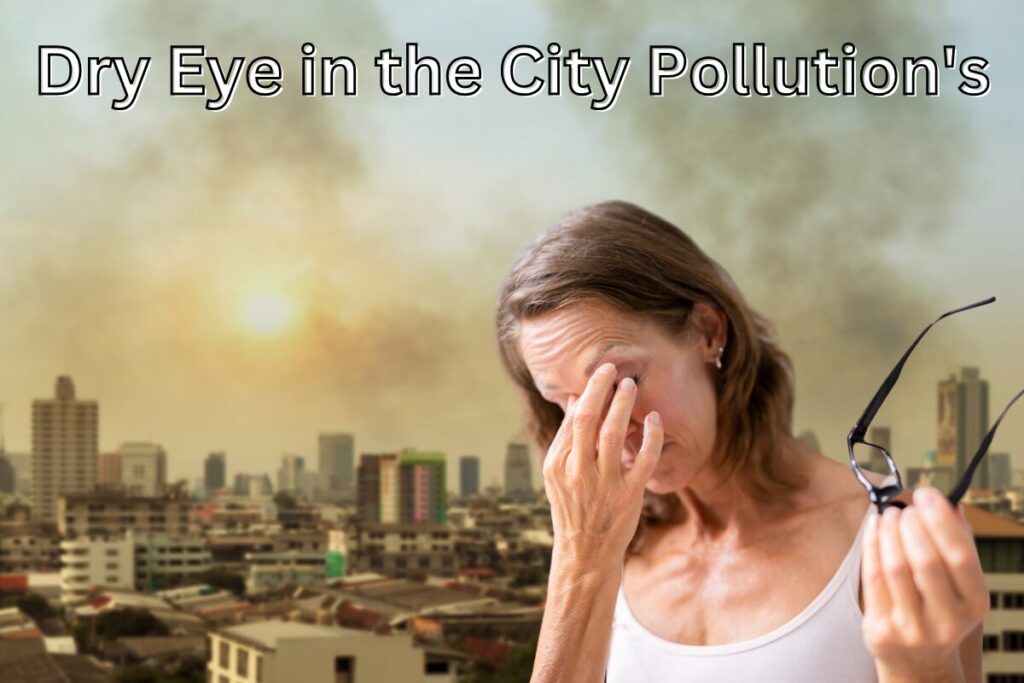
The vibrant energy and bustling pace of India’s cities in 2025 come with a hidden cost – the ever-present specter of air pollution. While we often hear about its impact on our lungs and respiratory health, the toll it takes on our eyes, particularly leading to and exacerbating dry eye disease, is a growing concern. If you’ve been experiencing that gritty, itchy, or burning sensation in your eyes lately, especially if you’re a city dweller, the air you breathe might be a significant culprit. Dry eye disease, a common condition where your eyes don’t produce enough tears or the tears evaporate too quickly, is becoming increasingly prevalent in urban India. And the complex cocktail of pollutants swirling in our city air is a major contributing factor, turning what should be a clear view of our surroundings into a constant source of discomfort. The Urban Assault: How Pollution Irritates Your Eyes City air in India is often laden with a complex mix of particulate matter (PM2.5, PM10), dust, smoke from vehicles and industries, chemical fumes, and other irritants. These airborne particles can directly impact the delicate surface of your eyes in several ways: Physical Irritation: Microscopic pollutants can act like tiny abrasive particles, scratching and irritating the cornea (the clear front surface of the eye) and the conjunctiva (the thin membrane lining the inside of the eyelids and covering the white part of the eye). This physical irritation can disrupt the smooth tear film that normally protects and lubricates the eye. Inflammation: Exposure to pollutants can trigger an inflammatory response on the ocular surface. This inflammation can damage the cells responsible for tear production and disrupt the composition of the tear film, leading to increased evaporation. Disruption of the Tear Film: A healthy tear film has three layers: an oily outer layer that prevents evaporation, a watery middle layer that hydrates, and a mucous inner layer that helps the tears spread evenly. Air pollutants can interfere with the production and stability of all three layers, leading to tear film dysfunction and dryness. Increased Allergies: Pollution can also exacerbate existing eye allergies or even trigger new ones. Allergic reactions lead to inflammation, itching, redness, and can further disrupt tear production and quality. Reduced Blinking: While not directly caused by pollution, the discomfort and irritation from dry eyes can sometimes lead to altered blinking patterns, further compounding the dryness. Who is Most Affected in Our Urban Jungles? While anyone living in a polluted city can experience dry eye, certain groups are more vulnerable: Commuters: Those who spend significant time commuting on open vehicles like two-wheelers or even in crowded buses and auto-rickshaws are directly exposed to higher levels of pollutants. Outdoor Workers: Individuals who work outdoors, such as construction workers, street vendors, and traffic police, face constant exposure. Contact Lens Wearers: Pollutants can adhere to contact lenses, causing irritation, discomfort, and increasing the risk of infections. Individuals with Pre-existing Eye Conditions: People with allergies, asthma, or other respiratory conditions may be more susceptible to the irritating effects of air pollution on their eyes. Elderly Individuals: Tear production naturally decreases with age, making older adults more vulnerable to dry eye, and pollution can worsen their symptoms. Children: Developing eyes can be more sensitive to environmental irritants. Beyond the Discomfort: The Potential Long-Term Impact While the immediate symptoms of dry eye – irritation, burning, and blurred vision – are bothersome, chronic dry eye caused or aggravated by pollution can lead to more serious complications if left unmanaged: Corneal Damage: Persistent dryness can lead to tiny abrasions on the cornea, causing pain, light sensitivity, and potentially affecting vision. Increased Risk of Eye Infections: A compromised tear film provides less protection against bacteria and other pathogens. Difficulty with Daily Activities: Severe dry eye can make it difficult to perform everyday tasks like reading, working on a computer, and even driving. Reduced Quality of Life: The constant discomfort and visual disturbances associated with chronic dry eye can significantly impact overall well-being. Fighting Back Against Pollution-Induced Dry Eye: Protective Measures While we await broader solutions to curb air pollution, there are several steps you can take to protect your eyes in the urban environment: Wear Protective Eyewear: When commuting or spending extended periods outdoors, especially during peak pollution times, wear well-fitting glasses or sunglasses. Wraparound styles offer the best protection against airborne particles. Stay Hydrated: Drinking plenty of water helps keep your body, including your tear glands, functioning properly. Use Artificial Tears: Lubricating eye drops can help replenish moisture and wash away irritants. Choose preservative-free options for frequent use. Consult your ophthalmologist for recommendations. Avoid Rubbing Your Eyes: Rubbing can further irritate your eyes and introduce more pollutants. Maintain Indoor Air Quality: Use air purifiers at home and in your workplace to filter out particulate matter. Take Breaks from Screens: While not directly related to pollution, prolonged screen time reduces blinking and can worsen dry eye symptoms. Follow the 20-20-20 rule. Clean Your Eyes Regularly: Gently cleanse your eyelids and surrounding area to remove dust and debris. Consider Contact Lens Alternatives: If you experience significant discomfort with contact lenses in polluted environments, consider switching to glasses, at least during peak pollution periods. Consult an Ophthalmologist: If you experience persistent dry eye symptoms, it’s crucial to consult an eye doctor. They can diagnose the underlying cause and recommend appropriate treatment, which may include prescription eye drops or other therapies. Our Vision in the Urban Maze: Living in a bustling Indian city in 2025 offers numerous opportunities, but it also presents environmental challenges. Air pollution is a tangible threat to our eye health, contributing significantly to the growing prevalence of dry eye disease. By understanding the connection between pollution and our vision and adopting proactive protective measures, we can strive to maintain healthy and comfortable eyes amidst the urban haze. Don’t let the city’s air steal your clear vision – take steps to shield your precious sight today.
Dry Eye in the City: Pollution’s Toll on Your Vision in India 2025 Read Post »